The Practice of Attention
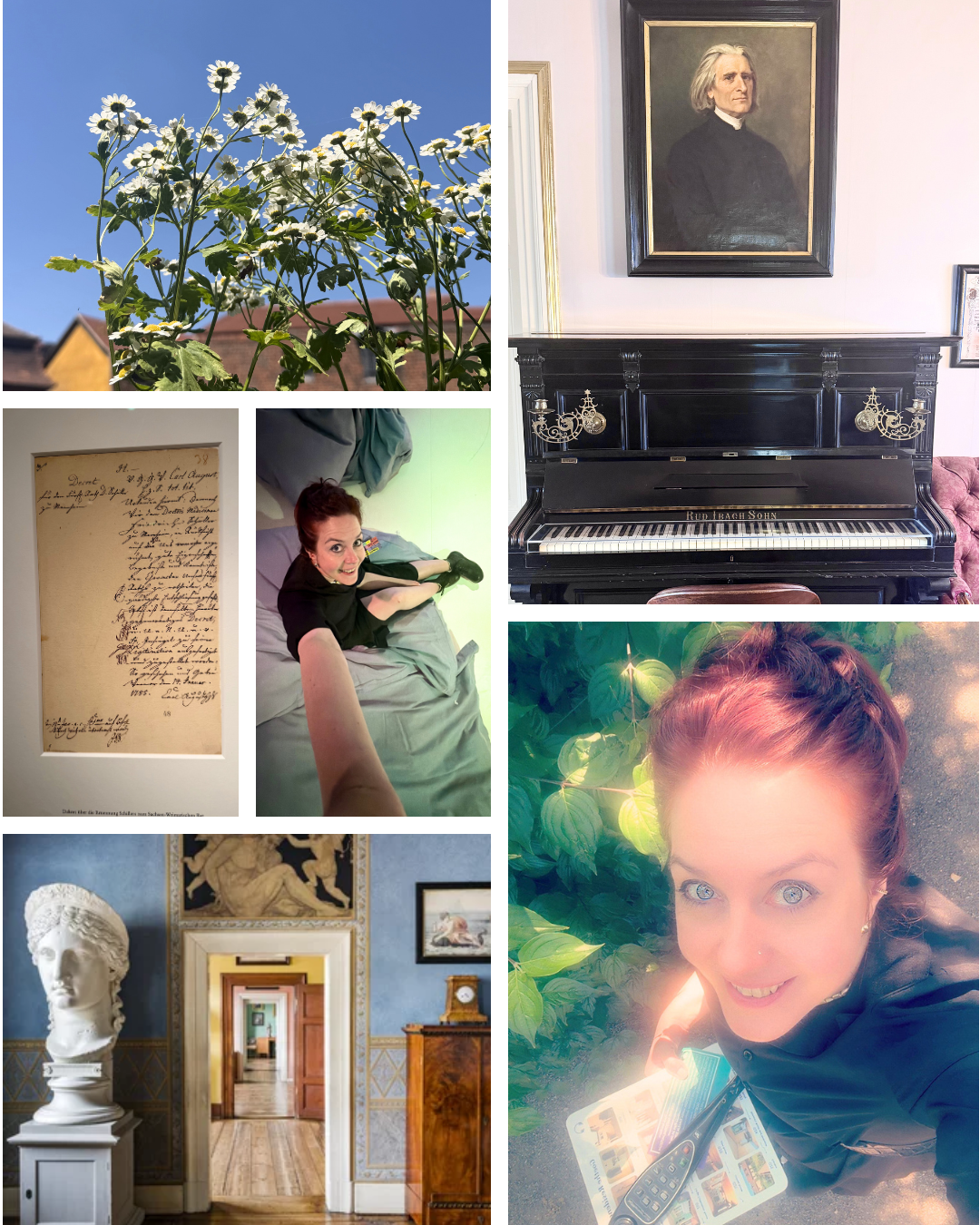
"One must still have chaos in oneself to be able to give birth to a dancing star." Nietzsche wrote these words many years after Weimar's great age. Yet while walking through the homes of Schiller, Goethe and Liszt, I kept thinking of a different kind of chaos - the fertile restlessness of a life that refuses to stop becoming. It was an afternoon dedicated to wander and wonder. I felt as though I had walked through three different philosophies of what it means to be human. Travel has a curious way of changing the questions we ask. At home, we often seek certainty. We want answers that help us move faster, decide better, become more efficient. Yet there are places where certainty quietly loses its importance. Weimar is one of them. Nothing here seems in a hurry. The desks remain where they once stood. The pianos are silent. Books rest patiently on shelves, no longer waiting to be opened by the hands that once filled them with annotations. The rooms have become still, but the conversations continue. What struck me most was not their genius. It was their attention.
We often remember Johann Wolfgang von Goethe as Germany's greatest writer. Yet walking through his home, literature almost becomes secondary. Minerals sit beside botanical drawings. Scientific instruments share space with manuscripts. Art, geology, theatre, politics, colour, anatomy, poetry. Nothing exists in isolation. Goethe seemed less interested in mastering disciplines than in discovering the invisible threads between them.
Perhaps that is why he wrote:
"Everything in the world may be endured except continual prosperity."
It is an unexpected reminder that growth rarely arrives through comfort. Curiosity demands disturbance. To observe deeply is to allow the world to interrupt what we already believe. His house feels less like the home of a poet than the workshop of someone endlessly practising how to pay attention. Schiller, by contrast, turns attention inward. His rooms are simpler. Almost austere. One senses a mind wrestling not with collecting the world but with elevating it. He believed that political freedom could never exist without inner freedom. Before societies become just, human beings must first learn to reconcile reason with emotion, discipline with imagination. His most celebrated insight remains as radical today as it was in 1795:
"Man only plays when he is in the fullest sense of the word a human being, and he is only fully a human being when he plays."
This sentence is so frequently quoted that it risks becoming decorative. But Schiller was not speaking about leisure. He was speaking about freedom. Play, for him, was the place where obligation and desire stopped opposing one another. Where beauty became an education in humanity itself. How different this feels from a culture that increasingly values productivity above presence. Perhaps we have confused efficiency with aliveness.
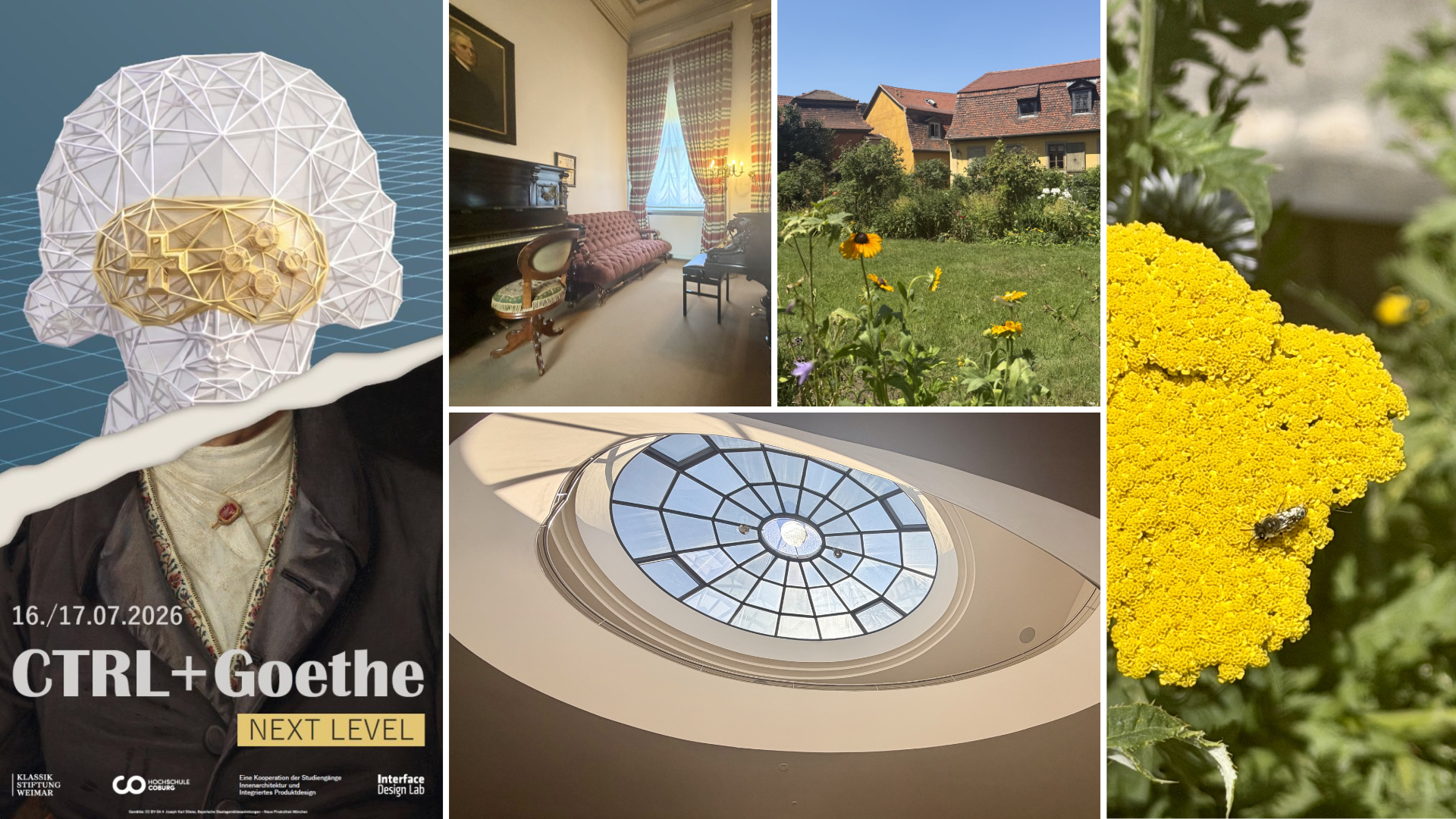
Then there was Franz Liszt. His home surprised me the most. Smaller than I imagined. Quieter. More intimate than the life of one of Europe's first international celebrities might suggest. His piano naturally draws every visitor's attention. Mine wandered elsewhere. To Bach. Throughout the museum one repeatedly encounters Liszt's reverence for Johann Sebastian Bach. Even after becoming Europe's most celebrated pianist, Liszt continued returning to Bach—not as someone to surpass, but as someone from whom he never stopped learning. There is something profoundly humbling about that. The higher he climbed, the more deeply he bowed. Perhaps real mastery is not measured by how many admire us but by whether we continue admiring something greater than ourselves.
Walking through these three homes, I began noticing an invisible conversation unfolding across generations. Schiller asked how beauty might educate freedom. Goethe asked how observation might educate wisdom. Liszt asked how devotion might educate excellence. Different languages. The same human longing. It reminded me why Weimar later became the birthplace of the Bauhaus. Although separated by more than a century, they share a common intuition: education is not the accumulation of information but the formation of perception. The Bauhaus dissolved the boundaries between artist and craftsperson. Goethe dissolved the boundaries between science and poetry. Schiller dissolved the boundaries between reason and feeling. Liszt dissolved the boundaries between discipline and inspiration. Again and again, Weimar seems to whisper the same invitation. Stop separating what belongs together. Perhaps this is also why these museums feel strangely alive. They are not monuments to extraordinary people. They are reminders that becoming human is itself a creative practice. We often imagine education as filling empty spaces. But perhaps education is mostly subtraction. Removing certainty. Softening the ego. Learning to observe before interpreting. Listening before concluding. Creating before explaining.
As I left Liszt's house, I found myself thinking less about music than about humility. Leaving Goethe's home, less about literature than about curiosity. Leaving Schiller's, less about philosophy than about freedom. The buildings had not given me new knowledge. They had returned me to older questions. What am I paying attention to? What am I becoming through that attention? And what parts of myself have I quietly stopped cultivating because the world rewards efficiency more readily than wonder? Perhaps this is the true gift of places like Weimar. They remind us that a meaningful life is rarely built around achievement alone. It is built around a way of seeing. And perhaps wisdom has never been about reaching certainty. Perhaps it has always been about remaining beautifully, courageously unfinished.