Honey for the Invisible
"We are the bees of the invisible. We wildly collect the honey of the visible, to store it in the great golden hive of the invisible."
~ Rainer Maria Rilke, Letters to a Young Poet
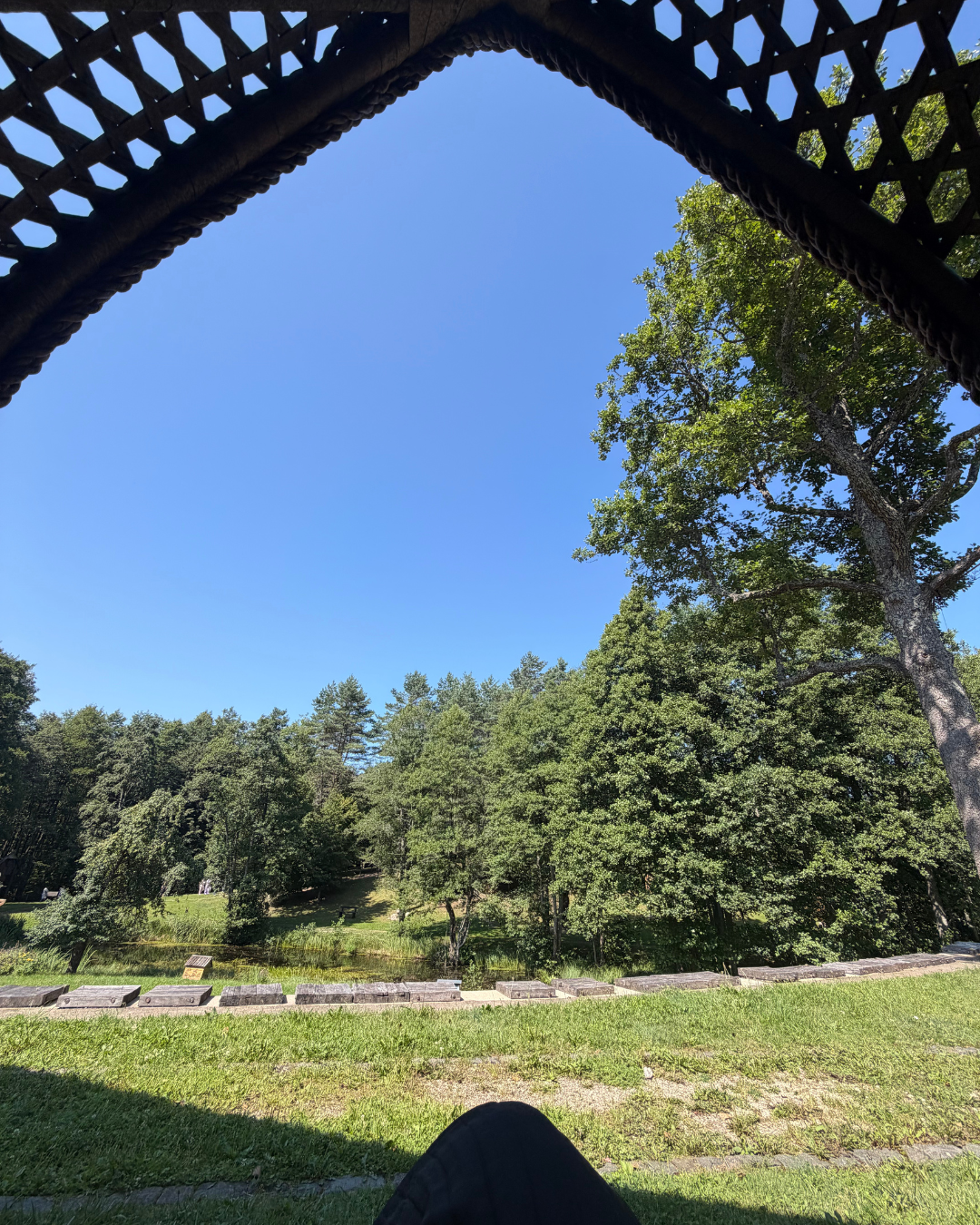
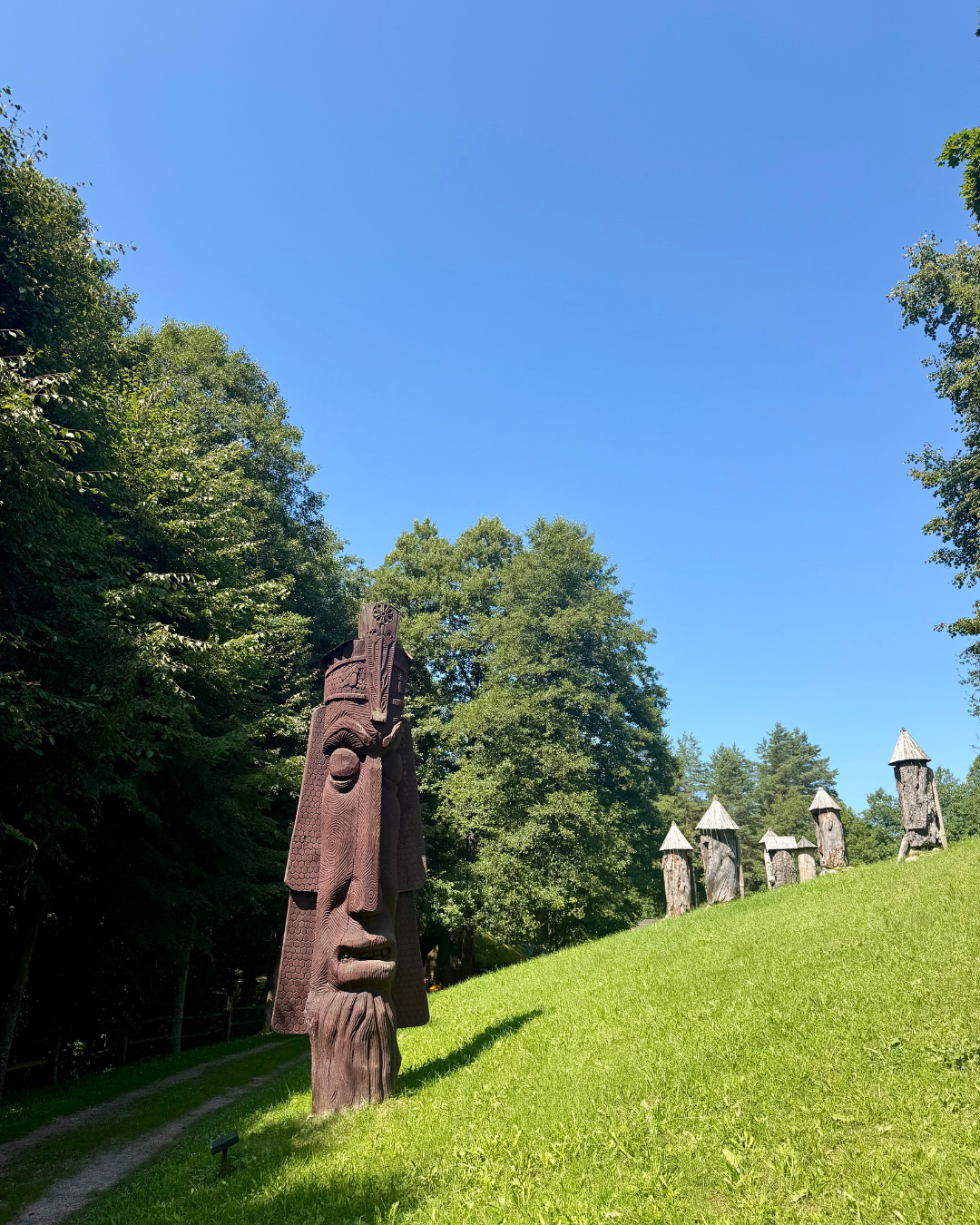
There are places that teach through information, and there are places that teach through presence. The Museum of Ancient Beekeeping in Stripeikiai belongs to the latter. Nestled among the forests and lakes of Aukštaitija National Park, the museum is more than a collection of old tools and carved wooden hives. It is a quiet reminder that for centuries, people here learned not how to dominate nature, but how to participate in it. The history of Lithuanian beekeeping is not simply agricultural -it is cultural, spiritual, and relational. Even our Lithuanian word bičiulis ("friend") shares its roots with the word bitė ("bee"), suggesting that friendship itself was once understood through the relationship between people and bees.
Walking through the museum, I found myself thinking less about honey and more about attention. Bees are astonishing not because they work hard. We celebrate their productivity, but perhaps we admire the wrong thing. What struck me instead was their unwavering relationship with purpose. No bee asks whether its contribution is important enough. No bee tries to become another bee. No bee seeks applause for carrying pollen. The hive flourishes because every individual participates in something larger than itself. Even that little fact mentioned in one of the little houses - bees collect honey as a resource to survive over the winter but they do always 2-3 times more than they need and thats why we can actually enjoy the honey. It made me wonder how often we humans mistake visibility for value.
So much of modern life rewards performance. We curate our achievements, measure our worth through outcomes, compare our paths to everyone else's. We become preoccupied with producing something extraordinary, while forgetting that the extraordinary often emerges from countless ordinary acts performed with care. Bees know this.
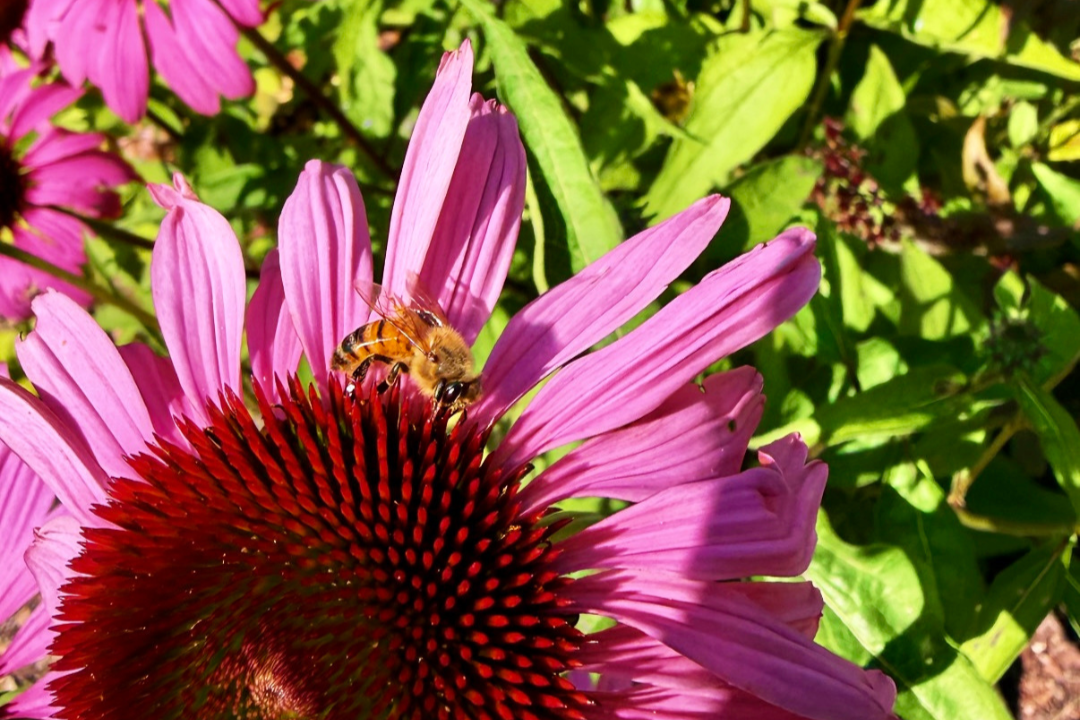
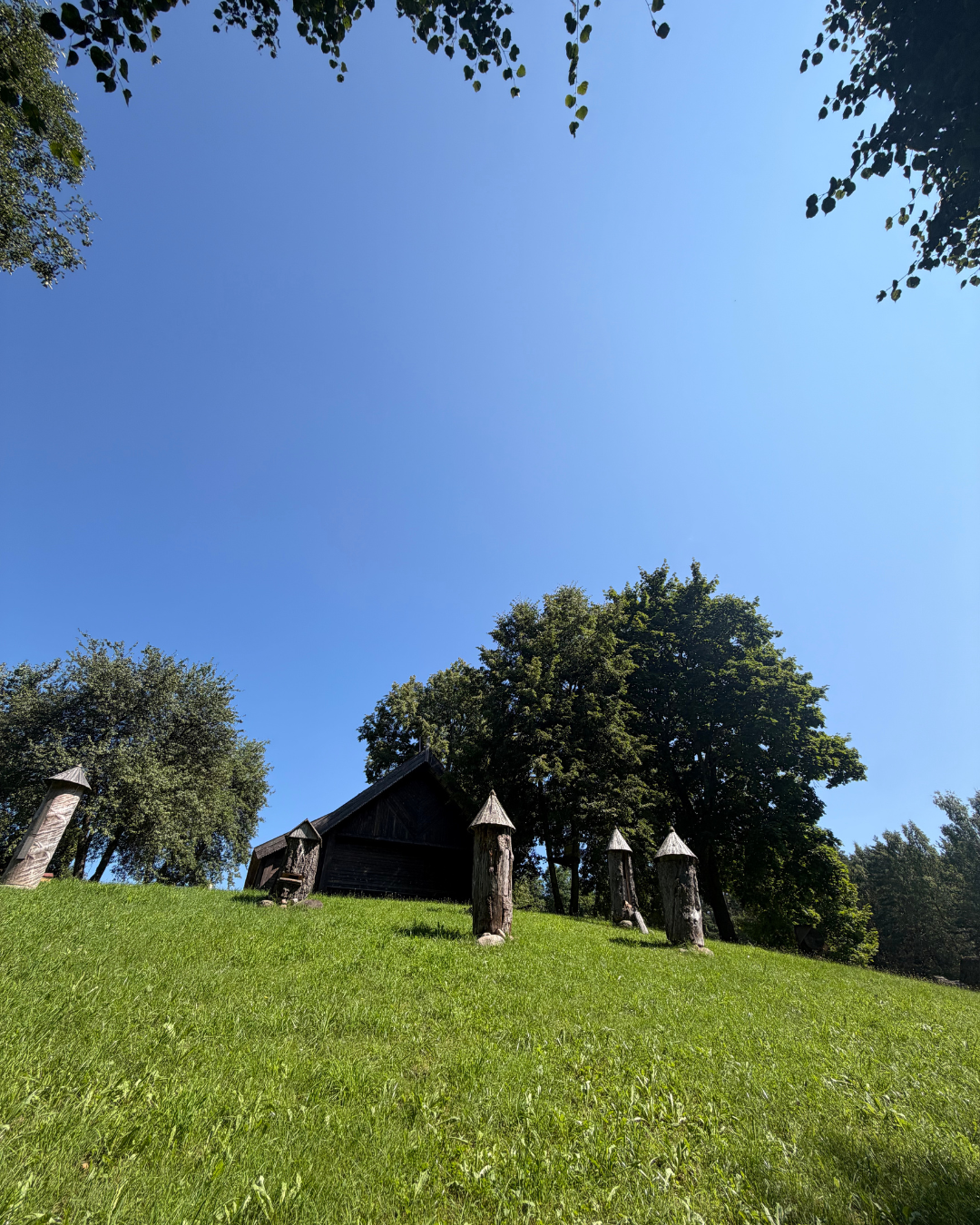
A single bee produces only a tiny fraction of a teaspoon of honey during its entire lifetime. Yet together they create something that has nourished civilizations for millennia. There is something deeply comforting about that. Perhaps meaning has never depended on the size of our contribution. Perhaps it depends on the sincerity of it. As I wandered through the old hives - some carved directly into tree trunks, others woven from straw - I imagined generations of beekeepers learning patience rather than control. They could not command the bees. They could only create conditions in which bees wished to stay. The distinction feels important. The same is true of relationships. The same is true of learning. The same is true of leadership. You cannot force trust. You cannot manufacture belonging. You cannot demand creativity. You cultivate the conditions. The rest arrives when it is ready.
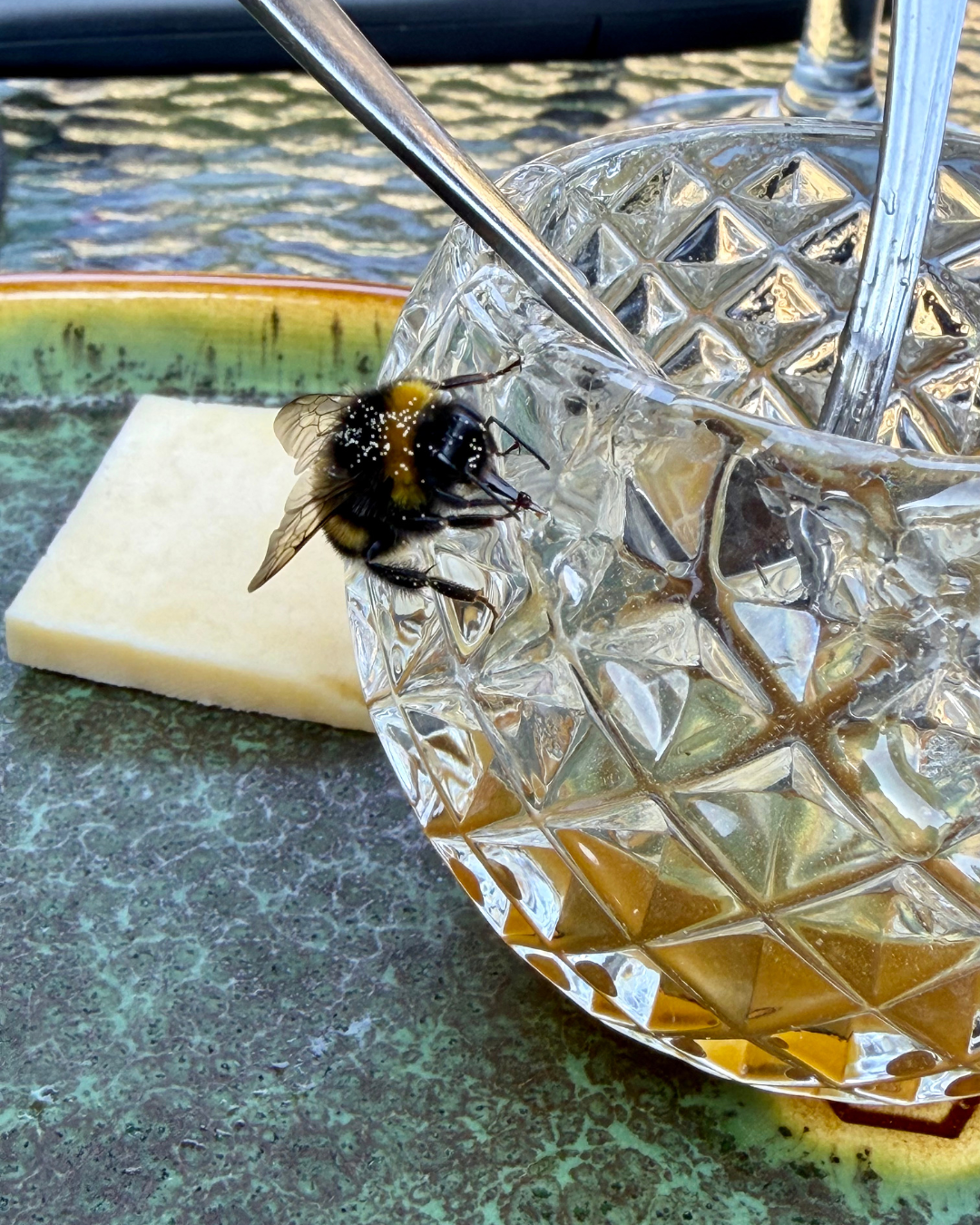
This thought lingered with me because so much of my own work revolves around creating spaces where people feel safe enough to learn, to reflect, to contribute, to belong. Like tending a hive, facilitation is rarely about being the loudest voice in the room. It is about noticing what the collective needs. Sometimes that means stepping forward. Often it means stepping back. Watching bees has also made me reconsider my relationship with busyness. People often say, "busy as a bee," as though perpetual movement were the lesson. I no longer think it is. From the outside, a hive appears busy. From the inside, it is astonishingly organised. There is rhythm. There is communication. There is responsiveness. There is rest. There is adaptation. There is no unnecessary movement.
How different that is from the kind of busyness many of us cultivate - the constant switching between tasks, the endless notifications, the quiet fear that if we stop moving we might stop mattering. The hive offers another possibility. Move with intention. Respond rather than react. Contribute without comparison. Trust the rhythm of the whole.
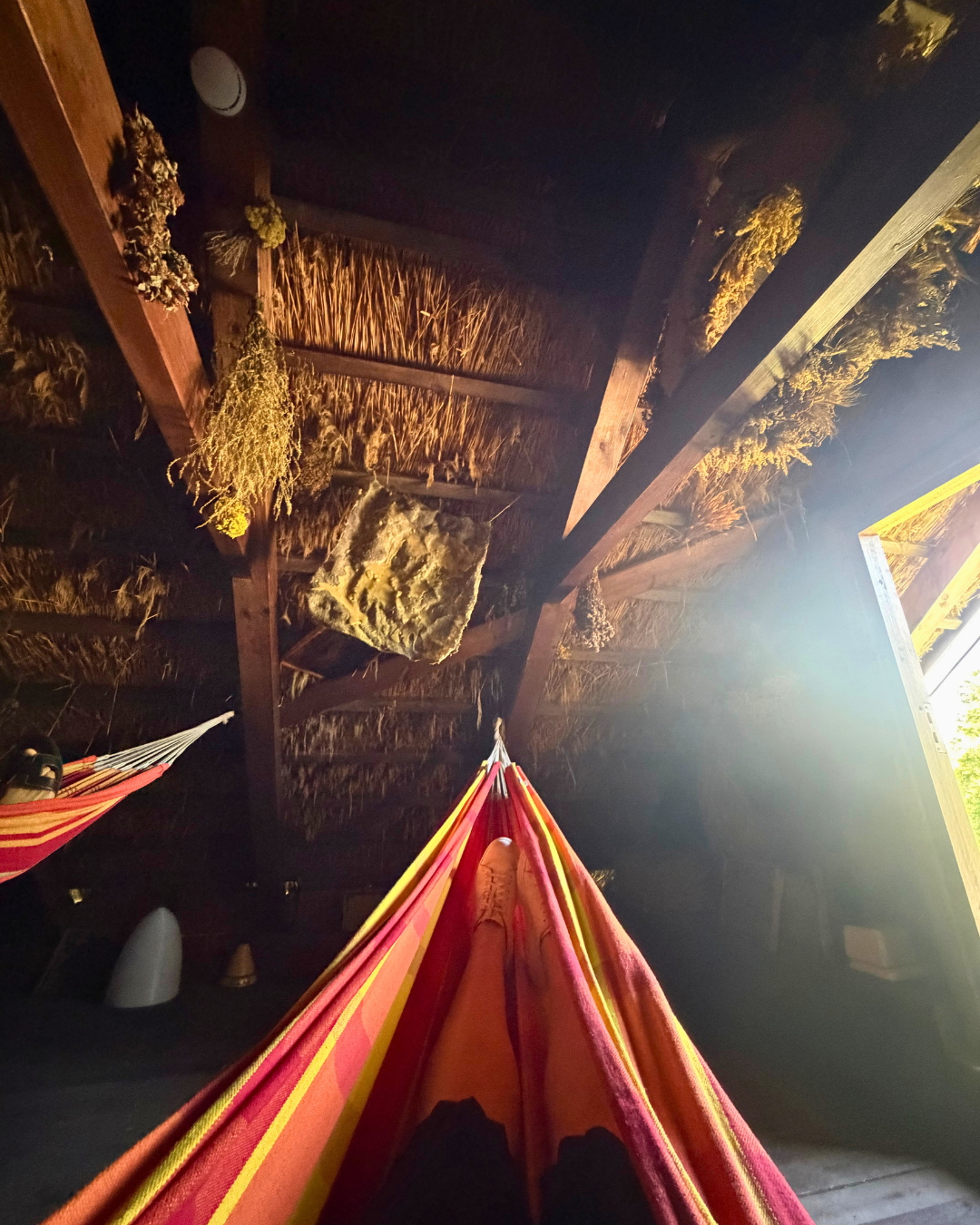
As I left the museum, carrying the faint scent of beeswax and wood, I realised that the visit had not taught me much about bees. It had taught me about humans. Or perhaps it reminded me of something we have always known but gradually forgotten. Nature rarely rushes. A flower blooms when it is ready. Honey ripens in its own time. Forests grow without applause. Bees never ask whether their work is meaningful. They simply continue the quiet practice of turning thousands of tiny encounters with flowers into something that nourishes others. Maybe that is enough of a life philosophy. Not to strive for grand gestures. But to gather, with care, the nectar offered by each ordinary day - and trust that, over time, it becomes something sweet enough to share.