Reflection (is Where Learning Begins)
"We do not learn from experience... we learn from reflecting on experience." John Dewey
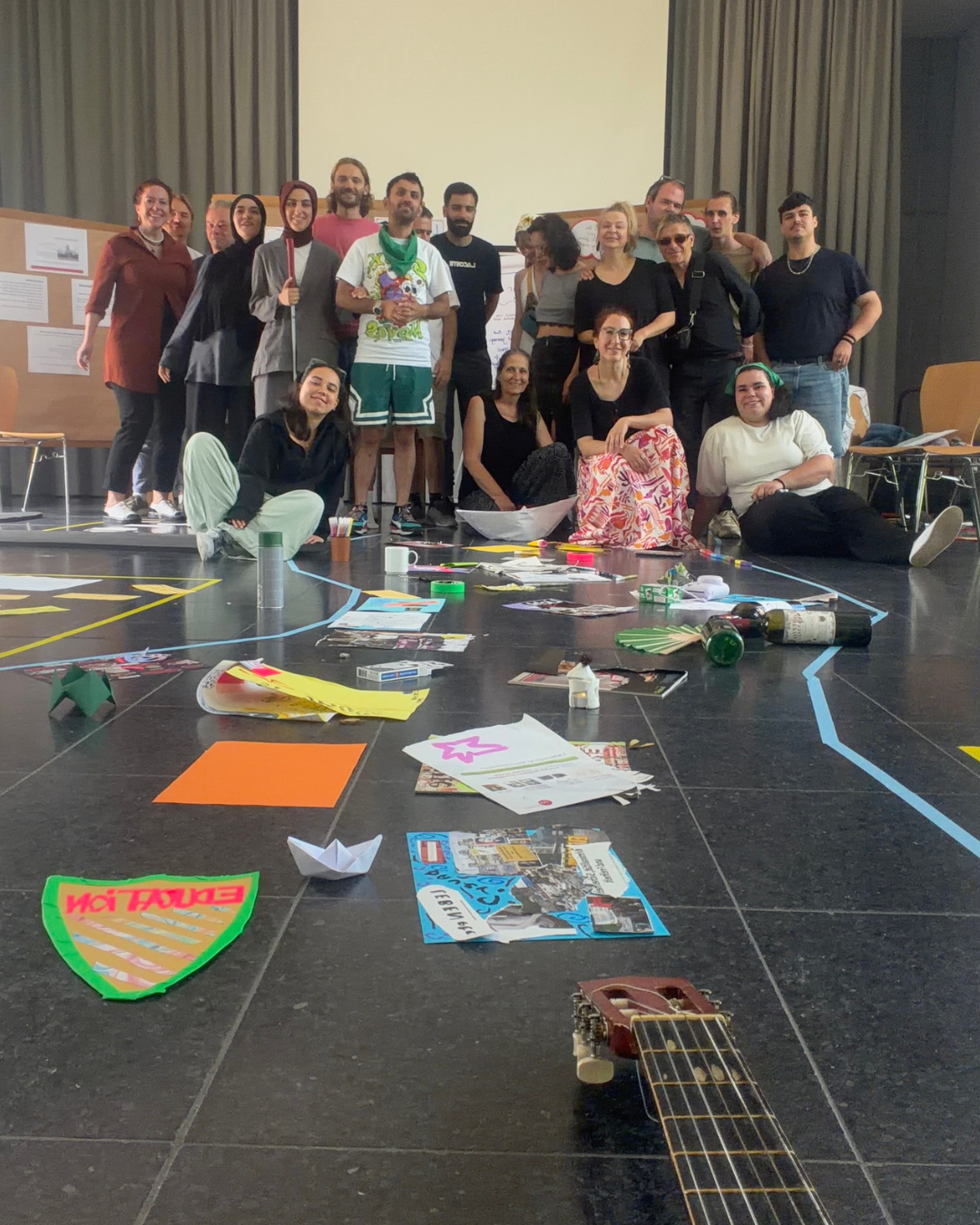
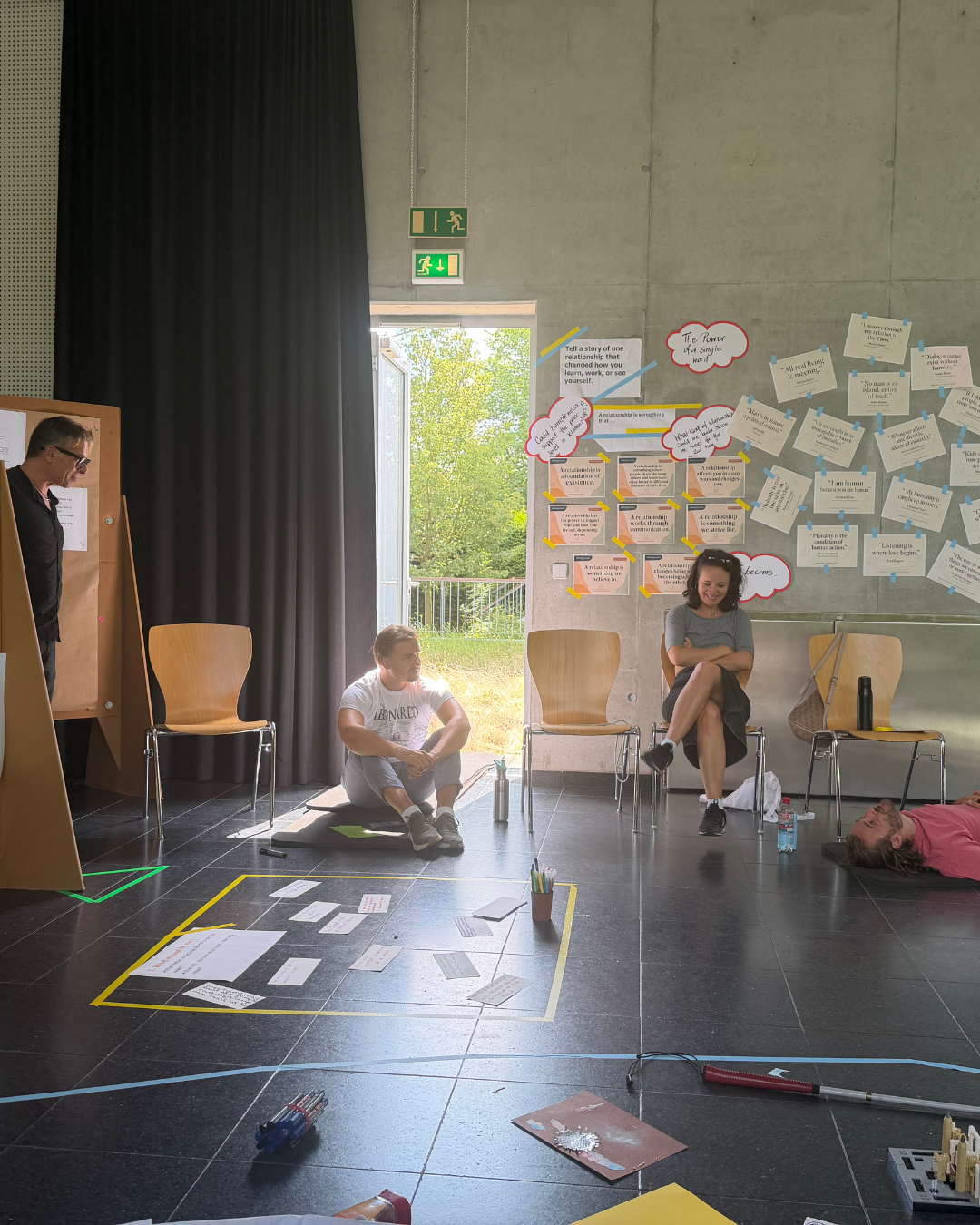
The final day of our time at 4Z. Between Us - Learning as a Relational Practice, module within the international SKAB'ing (Diving into Skills, Knowledge, Attitudes & Behaviours) learning journey in Weimar did not conclude with another workshop prepared by the facilitators. Instead, it became an invitation to collectively shape how the entire learning journey would come to a close.
A day earlier, a small co-creation group consisting of Sabrina, Nikki, Anton, Despoina, and myself had an exciting challenge: to design the final day's activities that would help the whole group reflect on and integrate the experiences of both parts of the project. Rather than being given a ready-made programme, we were asked to create one.
The process itself became an extension of the project's philosophy. We gathered around conversations, ideas, sketches, and questions, asking ourselves not only what participants should do on the final day, but what kind of process genuinely helps people transform experience into learning. Very quickly, our discussions centred around questions that felt deceptively simple:
How do we reflect?
Why is reflection important? And How do we hold space for complexity?
These questions became the foundation of the activities we designed for the entire group. Instead of creating a closing session focused on evaluation or feedback, we wanted to create a space where people could pause, notice, connect the dots, and recognise what had shifted within themselves over the course of the project.
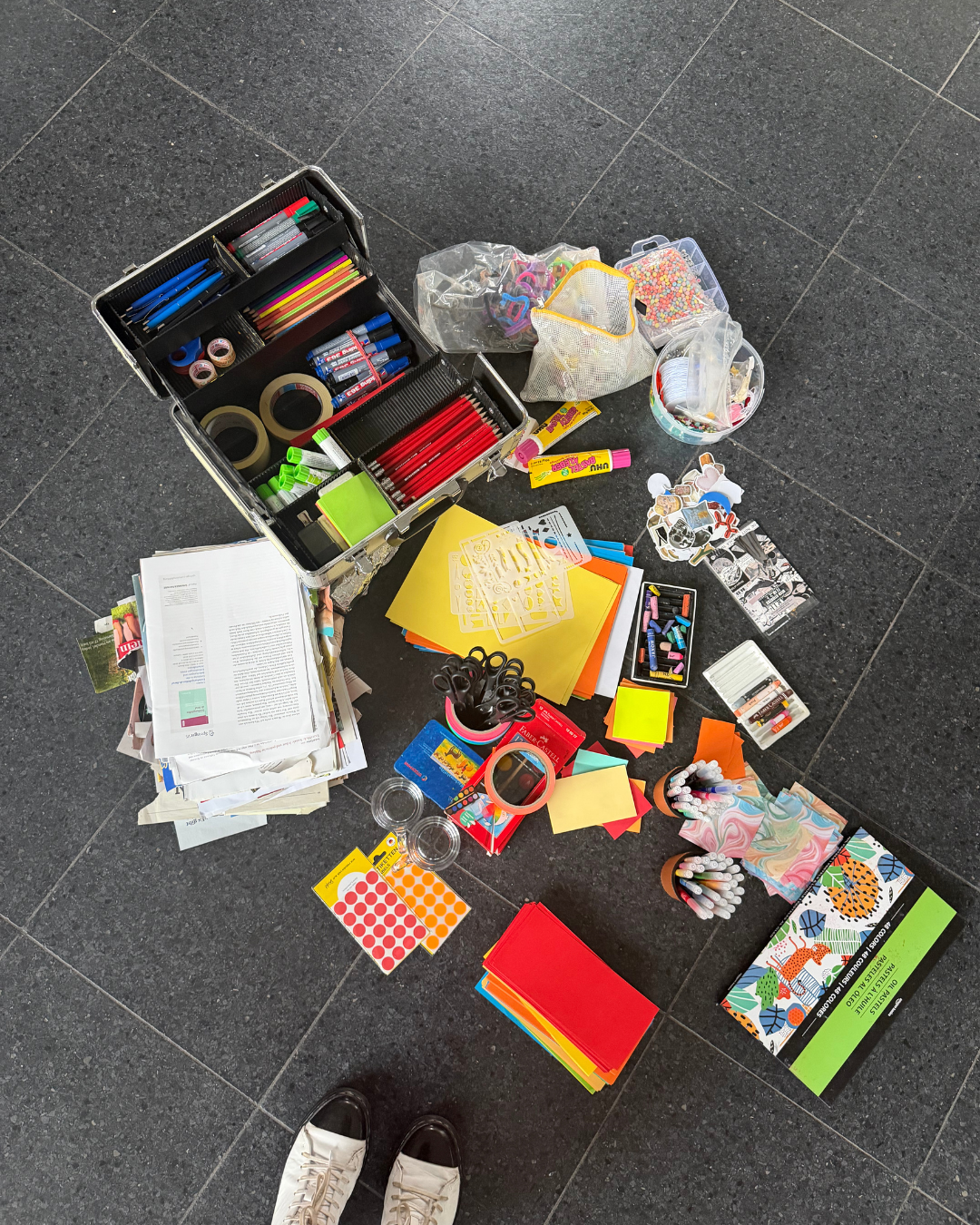
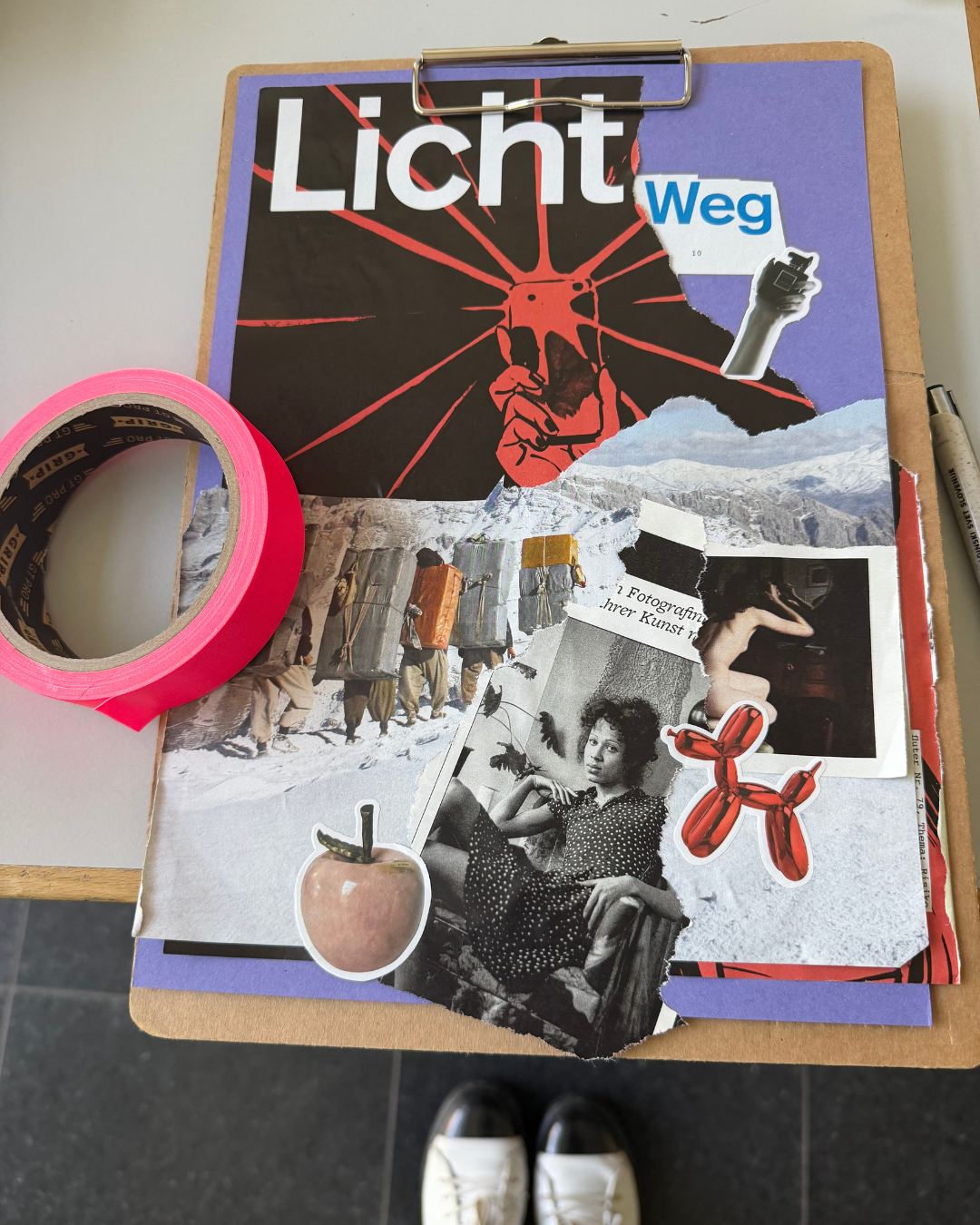
The process we designed intentionally moved between the individual and the collective. It began in silence, with each participant creating a personal collage. Before speaking to anyone else, everyone was invited to look inward, selecting images, words and symbols that represented their journey through the project. It was an opportunity to give shape to experiences that often resist language.
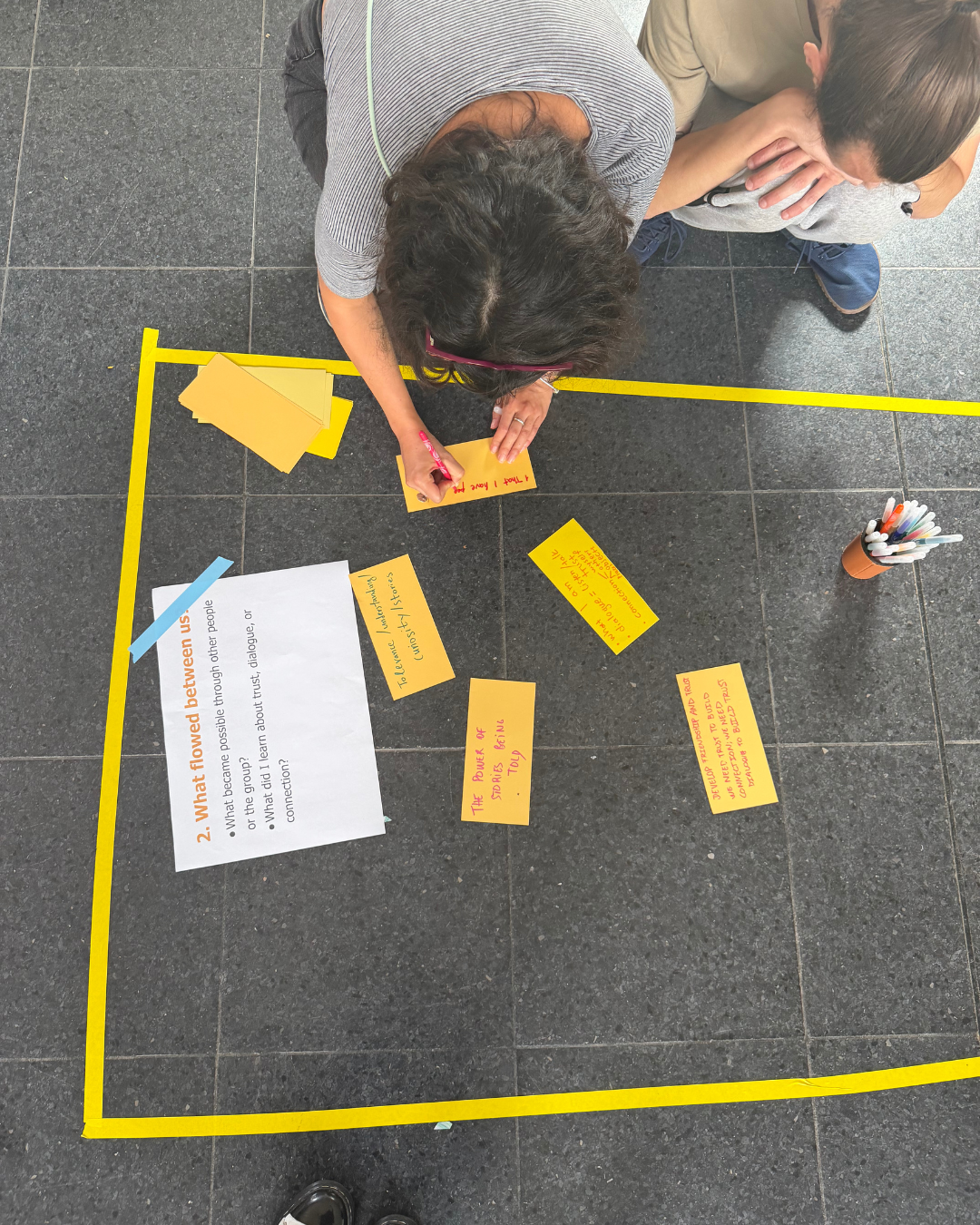
From there, the conversation expanded. Participants shared their collages in trios, discovering that while every journey had been unique, many emotions, questions and moments of transformation resonated across the group. Reflection became relational. By witnessing one another's stories, new meanings emerged that might never have surfaced in solitude.
The next invitation was perhaps the most symbolic. We carried natural objects to the nearby river and, one by one, placed them into the flowing water. It became a quiet ritual of release and continuation. The river reminded us that learning is never static. Like water, it keeps moving, reshaping us long after an activity has ended. Some things we consciously let go of - assumptions, fears, expectations - while other insights began their own journey downstream, becoming part of who we are without needing to be held so tightly.
It reminded me how often education is treated as something that can be delivered: knowledge packaged into workshops, presentations, toolkits, or certificates. We move from one activity to another, believing that enough experiences automatically produce learning. But education is not a package. Education is a process of making meaning. Experiences alone rarely transform us. Reflection is what allows them to settle. It is the bridge between participation and understanding. Through reflection, scattered moments begin to form patterns, emotions become insights, and insights gradually influence how we think, relate, and act. Yet even reflection is only part of the story. As we continued designing the closing activities, another word kept emerging: integration.
Reflection asks: What happened?
Integration asks: What will I do with what happened?
How will this experience shape the conversations I have next week? The way I facilitate? The way I listen? The way I inhabit public space? The way I relate to myself? Integration is where learning leaves the workshop and enters everyday life.
To close the circle, we returned to the river - not to leave something behind this time, but to gather something to carry forward. Participants collected the learning outcomes that had emerged throughout the project, making visible what had previously been intangible. I loved this inversion. First, the river became a place of release. Later, it became a place of retrieval. It reminded me that integration is not about holding onto every experience. It is about recognising what is worth carrying into the next chapter of our lives.
Perhaps this is one of the greatest challenges in education today. We have become remarkably skilled at creating experiences. We are far less intentional about creating the space needed to digest those experiences before rushing towards the next one.
What I appreciated most about this co-creation process was that it reflected the very principles we hoped the final day would embody. We were not simply asked to facilitate someone else's design - we were trusted to create it together. Every conversation, disagreement, idea, and perspective contributed to the activities that the whole group eventually experienced. It was a reminder that some of the deepest learning happens not when knowledge is transferred, but when it is co-created. Perhaps this is what education can become more often. Not a finished product delivered to participants. But an invitation to become active authors of the learning process itself. Because education does not end when the workshop finishes. It continues every time we pause, reflect, integrate, and allow experience to become part of who we are.