Bound by Trust: Photographing a Different Story of Shibari
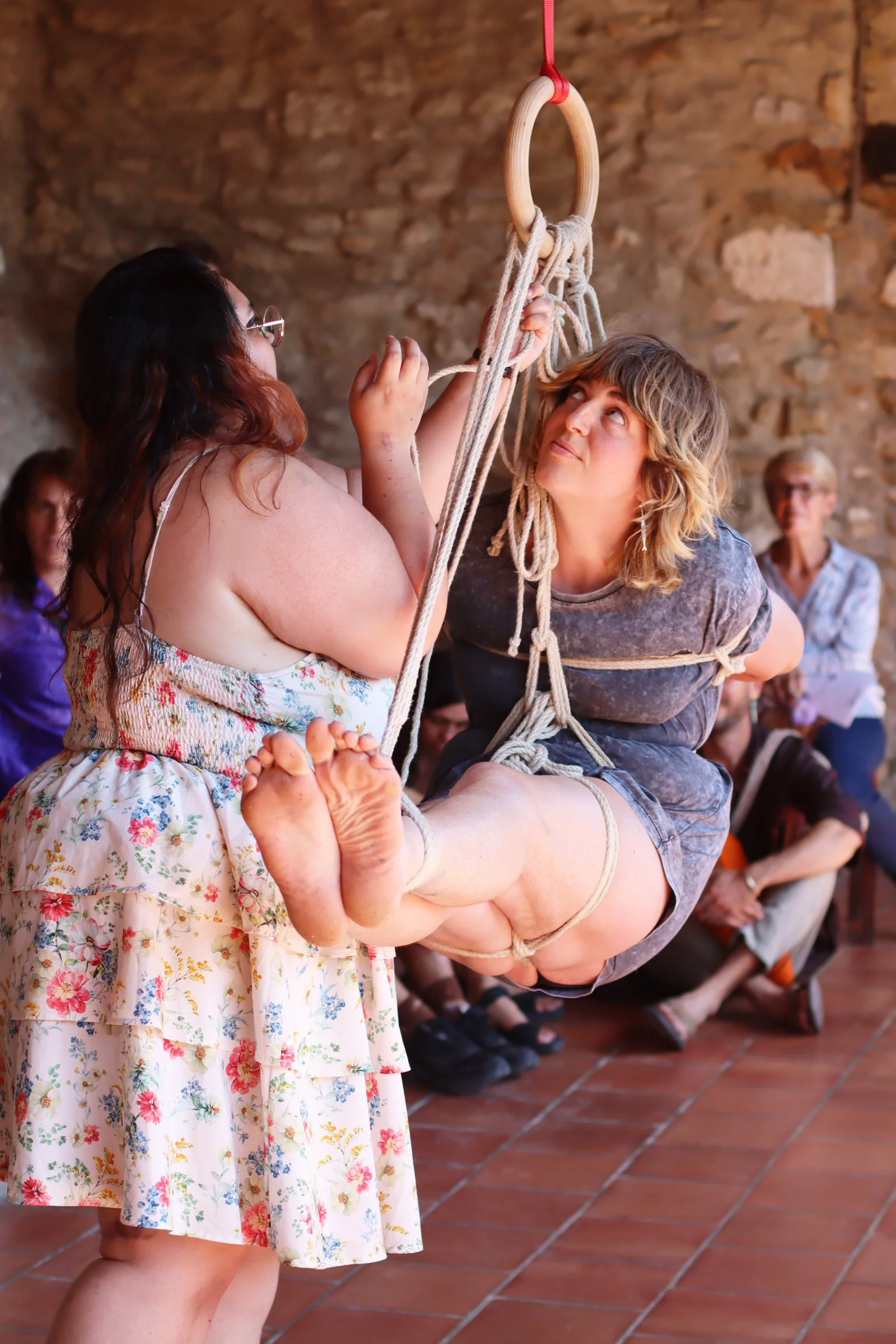
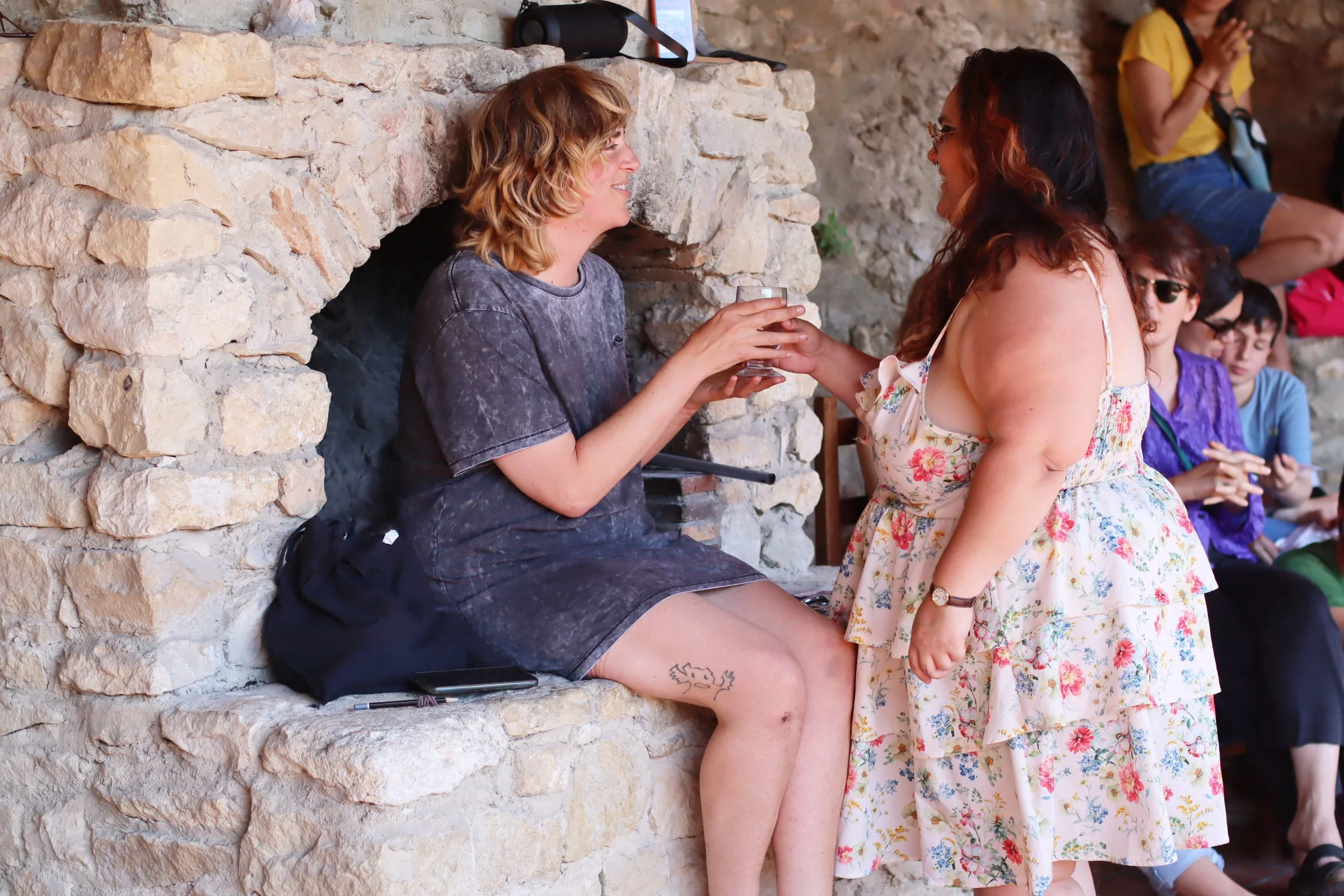
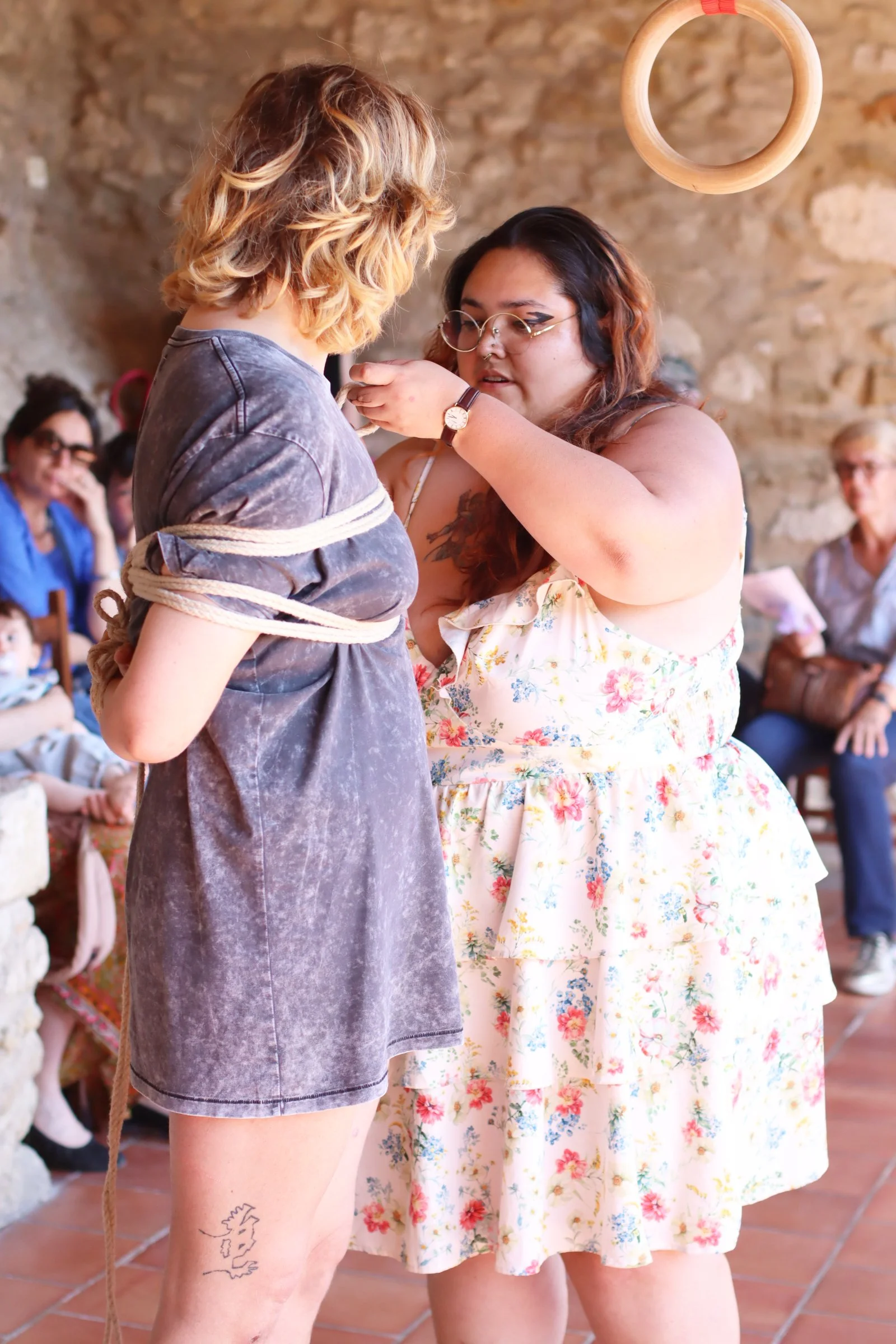
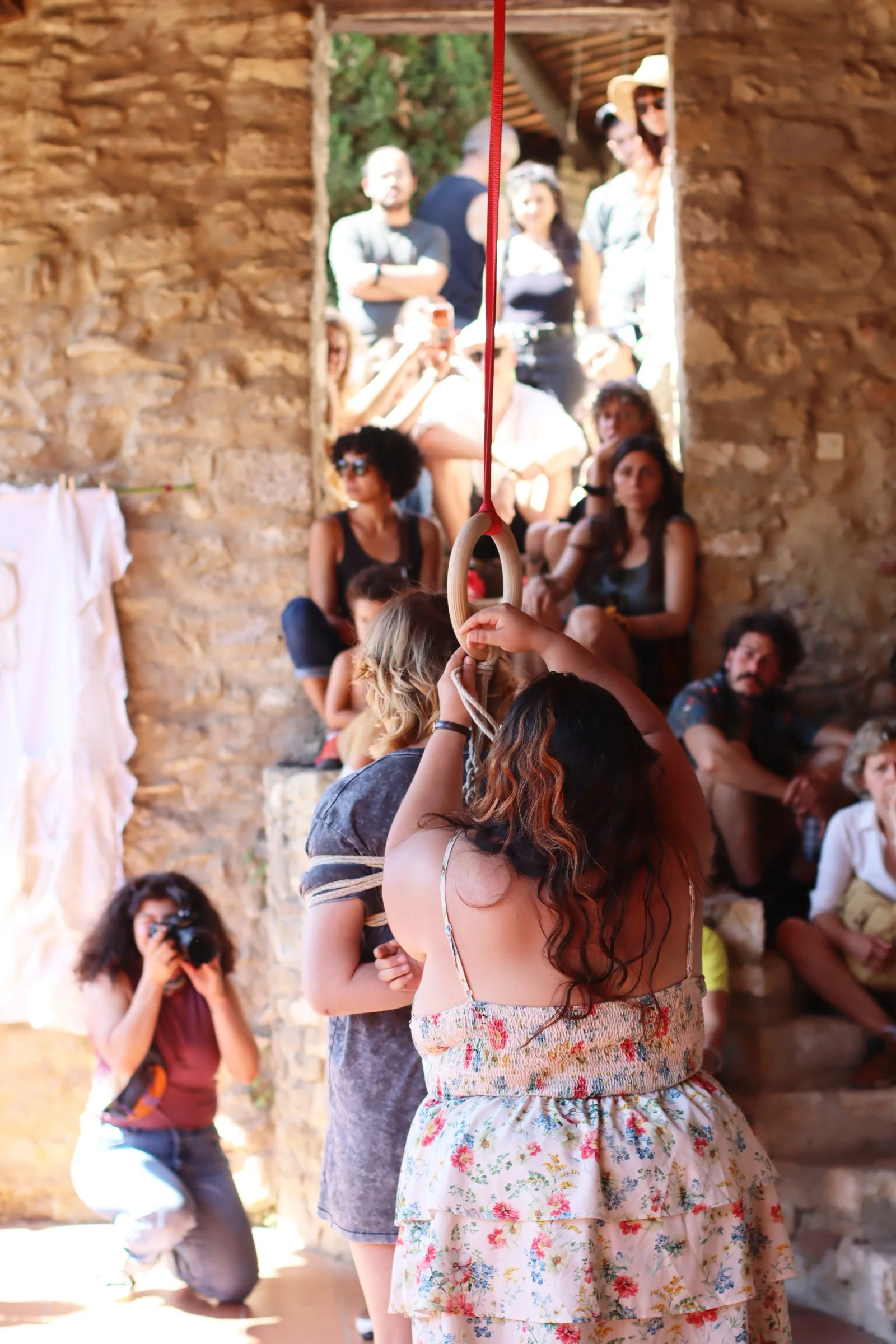
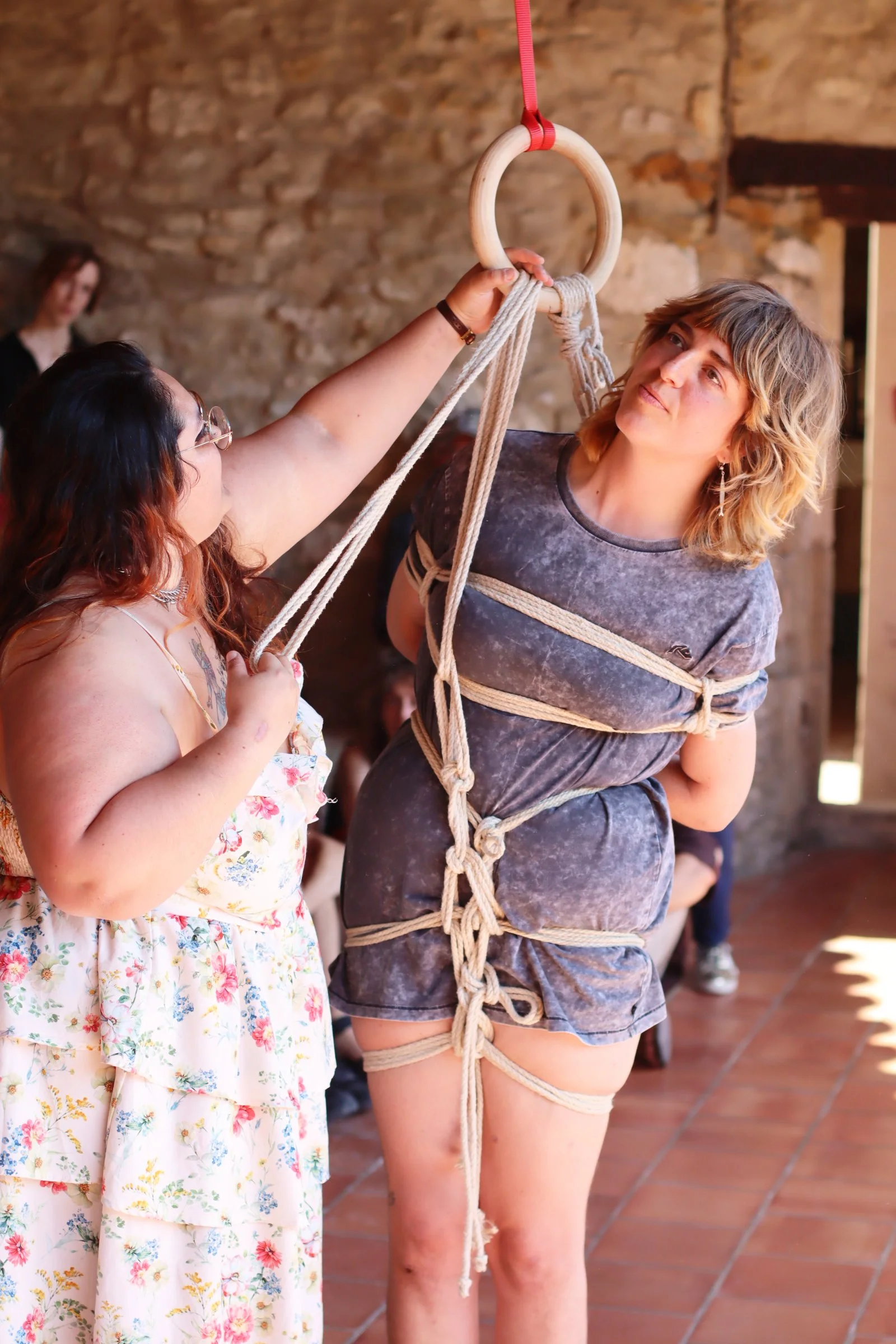
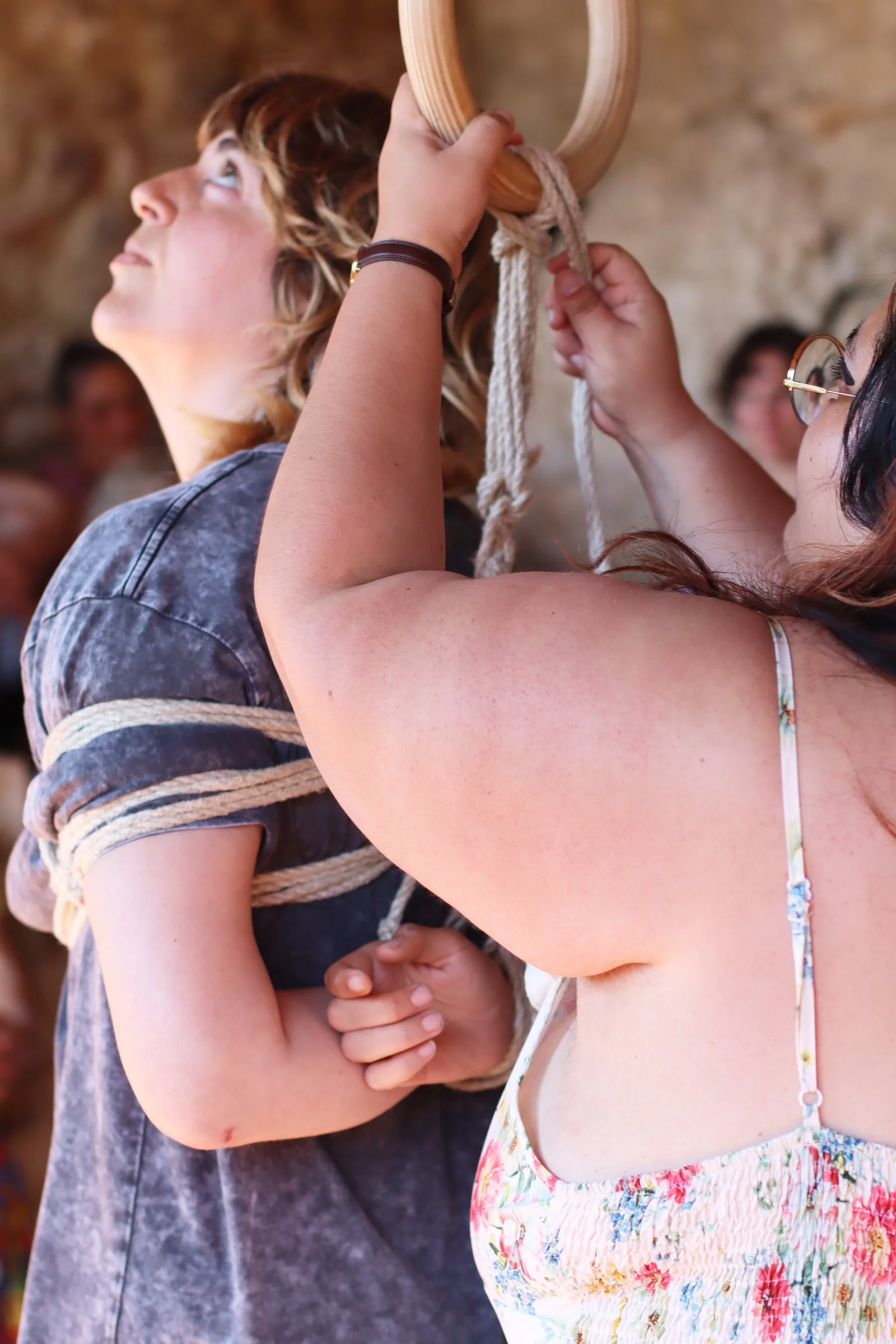
There are moments as a photographer when you realise you are not simply documenting what unfolds before you - you are being invited into it. During my residency in Saint Montan, I had the privilege of photographing a performance by Naya and Sarah. What I expected to be an exploration of rope became something much quieter and far more profound: an exploration of trust, communication, presence, and connection.
For many people, the word shibari immediately evokes a particular image. Often associated with erotic rope bondage, shibari has become widely recognised through that lens. While this interpretation certainly exists and is valid within consensual contexts, it represents only one expression of a much broader practice. Originally developed in Japan, shibari - meaning "to tie" or "to bind" - has evolved into an art form that combines rope technique with intention, aesthetics, and human connection. Contemporary practitioners approach it in many different ways. For some, it is a form of performance art. For others, a meditative practice, a study of movement, an exploration of vulnerability, or a deeply collaborative dialogue between two people. The rope itself becomes less important than the relationship it creates. This was the version I witnessed.
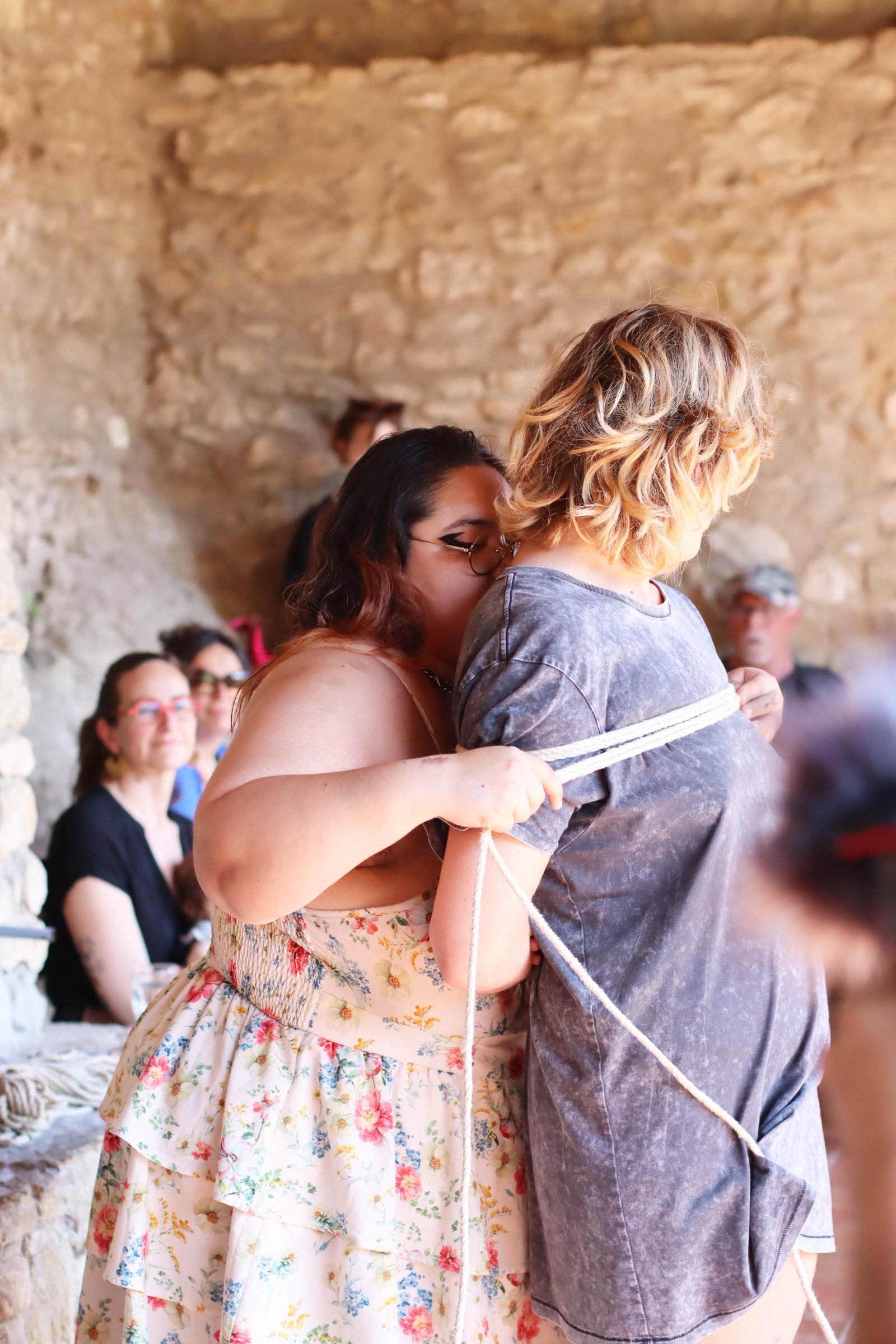
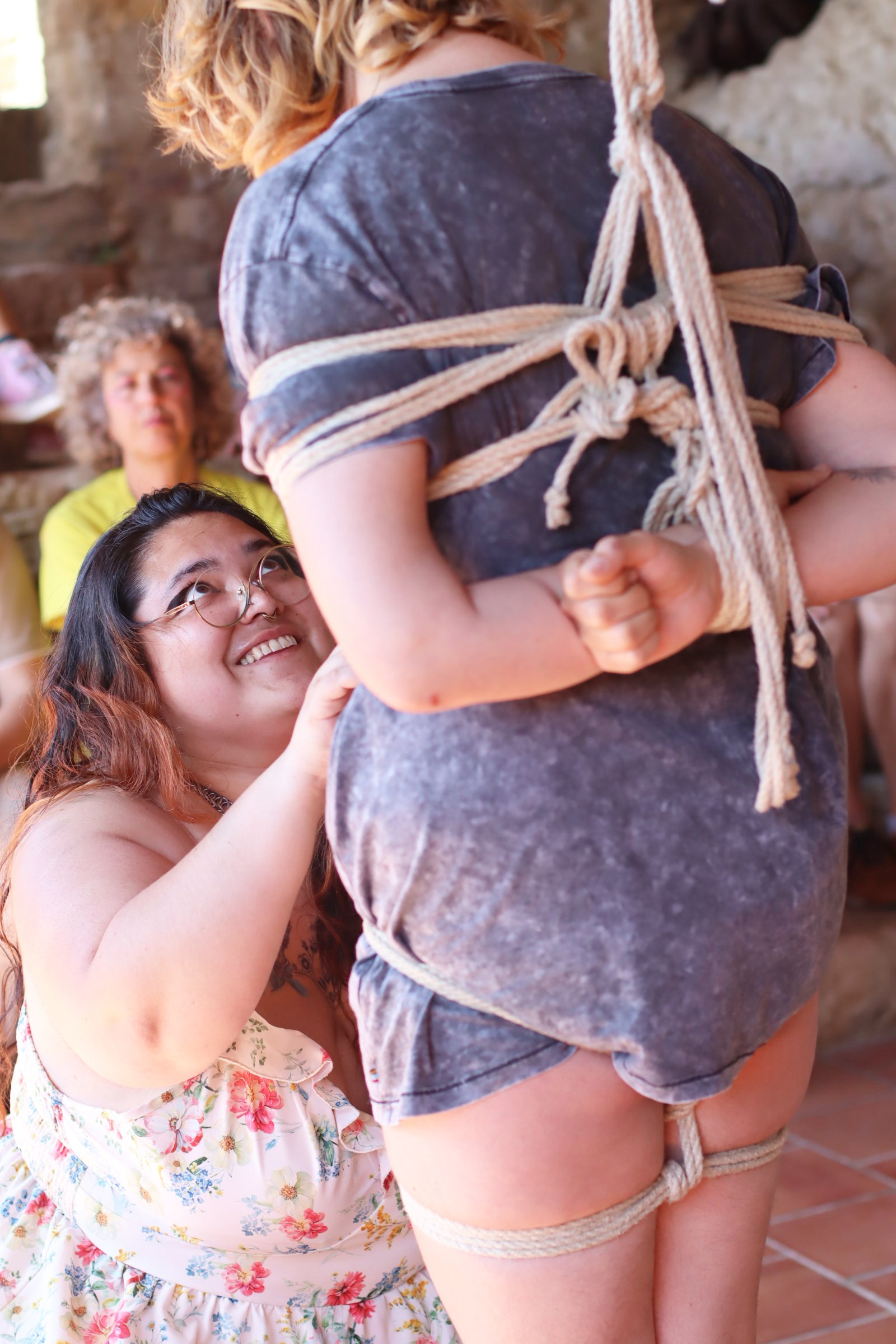
What unfolded between Naya and Sarah was never about restriction. Instead, it became a conversation without words. Each movement carried a question. Each knot asked for consent. Each adjustment reflected listening.
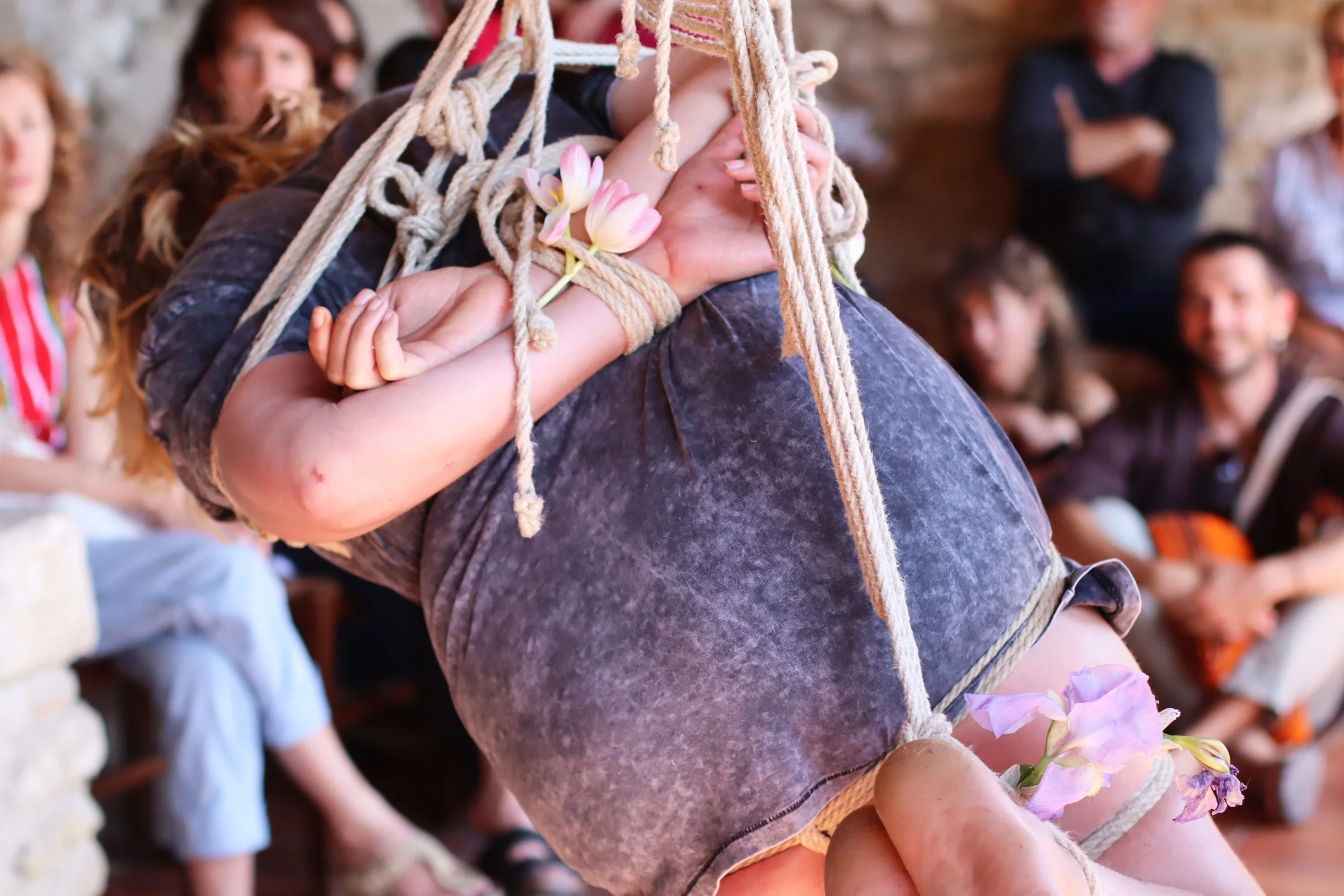
Watching them, I realised that the rope was not taking freedom away. It was creating a framework within which trust could become visible. As someone standing behind the camera, I became acutely aware that my role carried its own responsibility. I wasn't simply photographing shapes or techniques. I was photographing permission. Presence. The invisible communication that happened in the pauses between movements.
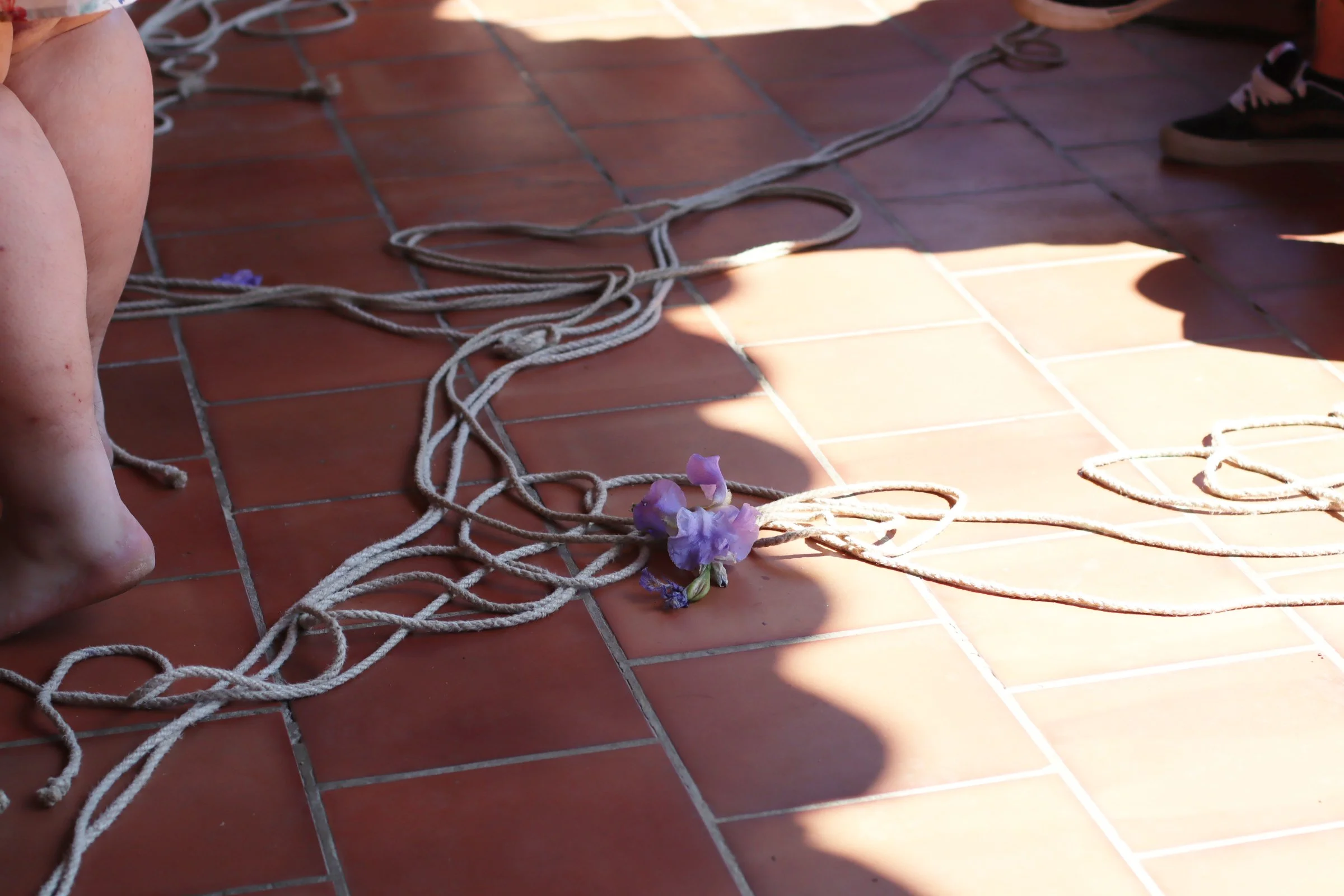
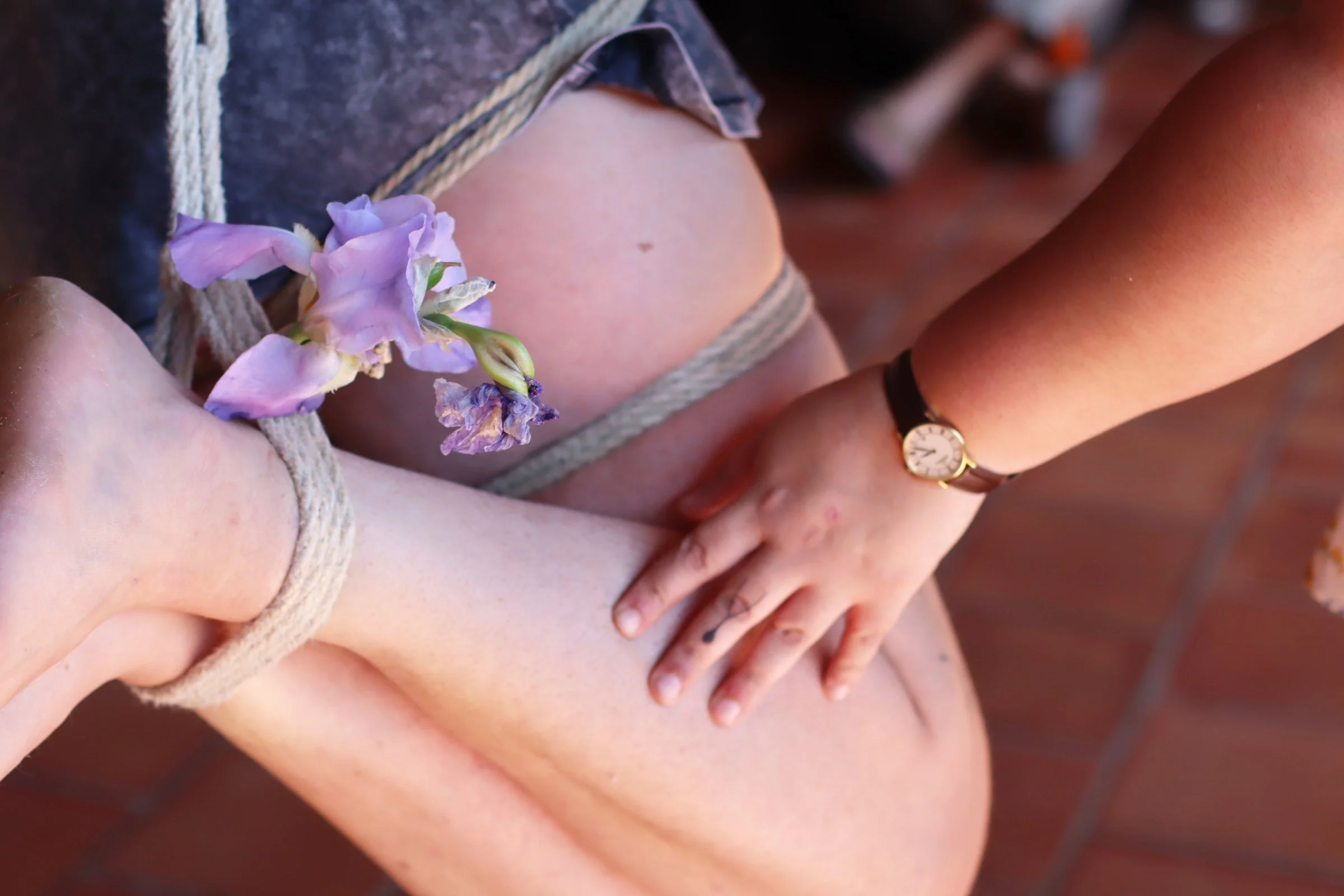
Photography often asks us to notice what others might overlook. In this performance, what fascinated me most wasn't the complexity of the rope itself, but the moments just before it tightened, the exchanged glances, the subtle shifts of breath, the silent confirmations that both people remained fully present with one another. It made me think about how rarely we witness trust so intentionally. We often speak about connection as though it appears naturally, but watching this performance reminded me that connection is something continuously negotiated. It is built through attention, honesty, and care. The rope simply made that process visible. There was something almost architectural about it. Two people constructing a temporary space where vulnerability could safely exist.
As I edited the photographs afterwards, I found myself returning to the same thought: what I had witnessed was less about being bound and more about being held. Perhaps that is one of the reasons artistic interpretations of shibari continue to evolve. Like dance, theatre, or music, it refuses to belong to a single meaning. The same medium can express intimacy, resilience, surrender, collaboration, tension, beauty, healing, or playfulness depending entirely on the intentions of those creating it. Art has always invited us to question our assumptions.
This experience certainly questioned mine.
It reminded me that what we think we know about a practice is often only one chapter of a much larger story. I left Saint Montan not only with photographs, but with a renewed appreciation for the quiet forms of communication we often overlook - the conversations carried through touch, trust, attentiveness, and mutual respect. Sometimes the strongest connections are not spoken. Sometimes they are simply woven together, one careful thread at a time.