Authenticity & the Inner Compass
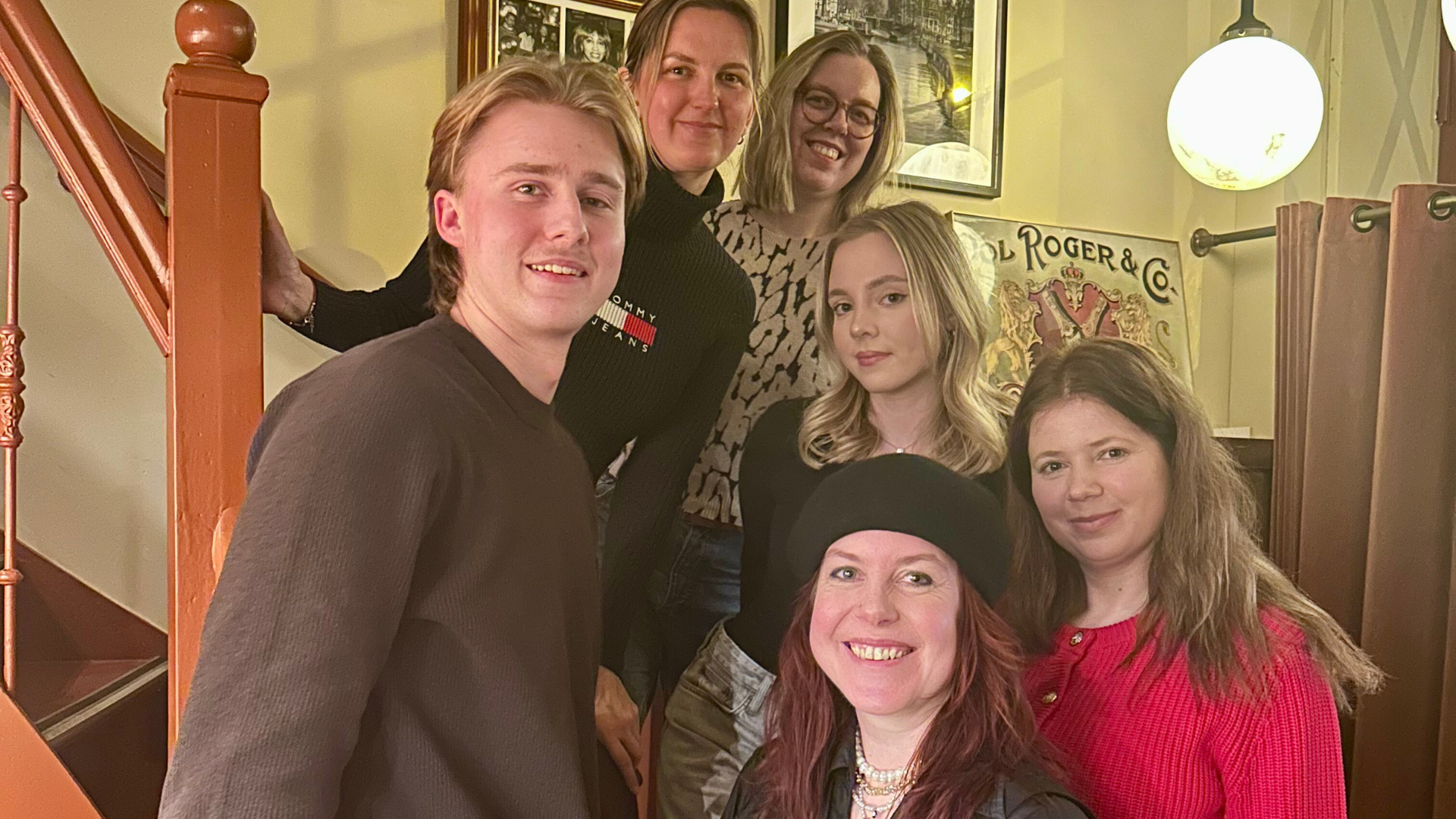
A few days ago, we gathered as the LT Big Brother community in Amsterdam to talk about something that is often named but rarely slowed down with: authenticity. What does it actually mean to live an authentic life? Not just to choose an authentic career path, but to make choices that feel aligned across relationships, values, rhythms of life, and inner truth.
What stayed with me from that evening was how quickly the conversation moved beyond professional identities. Authenticity revealed itself not as a polished concept, but as a lived tension: between who we are and who we have learned to be, between external expectations and internal knowing. And a big question was also - how do I practice it, how do I connect to my own intuition or that inner compass.
Psychological research supports what we intuitively felt that evening. Authenticity is generally defined as acting in accordance with one’s true self - values, beliefs, and emotions - rather than conforming primarily to external pressures or roles. Studies consistently link authentic living with higher levels of psychological well-being, life satisfaction, and a stronger sense of meaning in life (Wood et al., 2008; Smallenbroek et al., 2023). Importantly, authenticity is not about being fixed or fully “figured out”; it is a dynamic process that evolves as we gain self-knowledge and life experience.
What struck me most when I was reflecting about the meetup, was how often authenticity was described not as comfort, but as discomfort with integrity. Choosing the authentic path frequently means choosing uncertainty, disappointing others, or letting go of identities that once kept us safe. Research on authenticity in work contexts echoes this complexity: while authentic behaviour is associated with motivation and engagement, it can also involve vulnerability and risk, especially in environments that reward conformity (van den Bosch & Taris, 2018). This reinforces the idea that authenticity is not an individual achievement alone, but something deeply influenced by context.
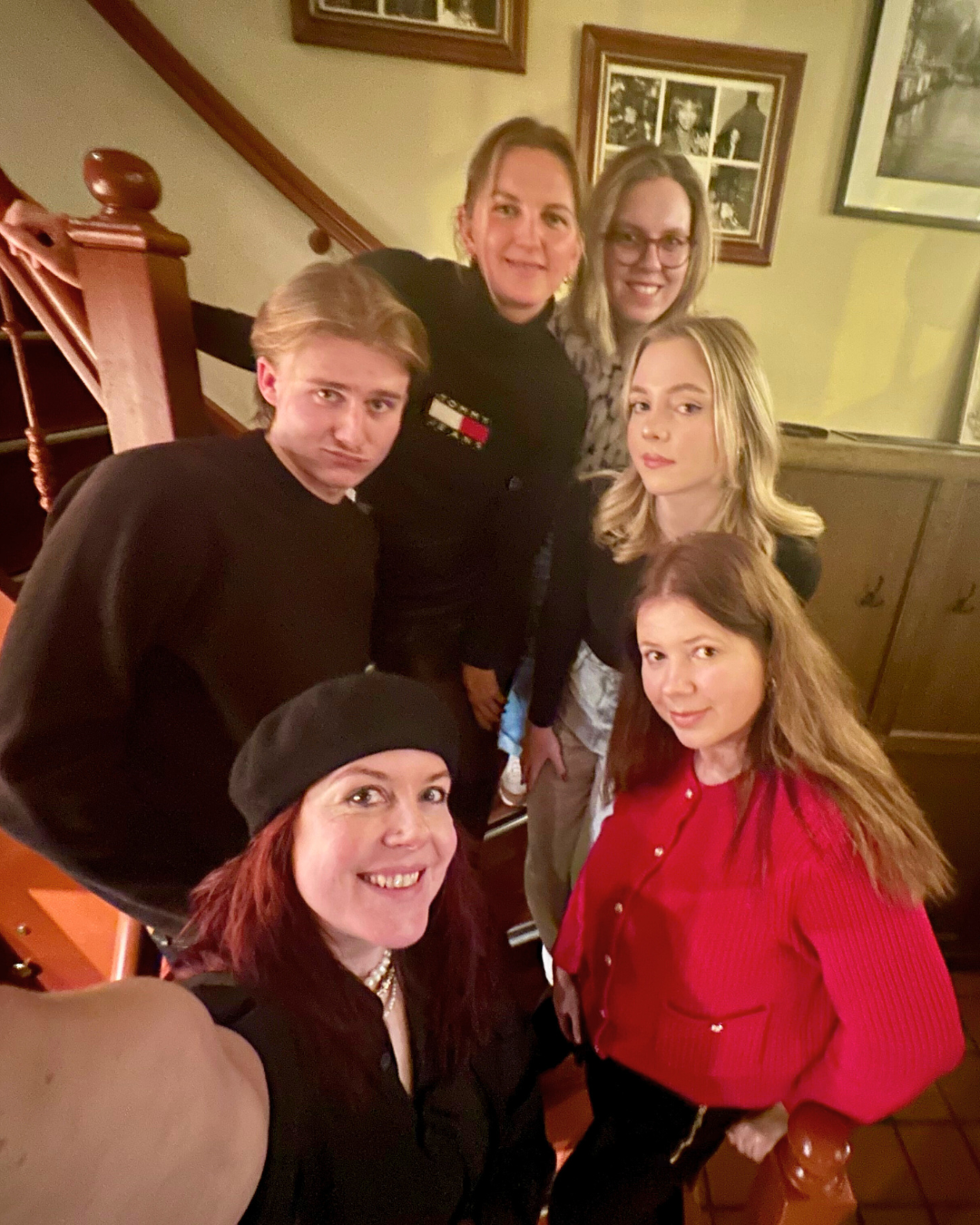
This is where mentoring and community becomes central in our reflections. Again and again, people speak about how they did not find clarity in isolation, but through conversation - being witnessed, challenged, and supported. Research on mentoring relationships shows that high-quality mentoring can foster authenticity by creating psychologically safe spaces for exploration, reflection, and honest feedback (Ragins, 2016). Authenticity grows when we are not alone with our doubts, when our questions are met with curiosity rather than judgement. Community plays a similar role. Studies on social belonging consistently demonstrate that feeling accepted and supported enables people to express themselves more authentically and to take values-aligned risks (Kernis & Goldman, 2006). What I witnessed that evening was not advice-giving, but resonance - people recognising parts of their own journeys in others. That kind of shared recognition quietly strengthens the permission to live more truthfully.
As part of the event, an invitation was extended to explore personality and self-reflection tools, not as labels but as mirrors. Free assessments such as 16Personalities (based on the NERIS model) and My Creative Type can offer accessible starting points for self-inquiry. Now I can also add and share a list of more tests - please see the list below. Research-based models like the Big Five personality traits and HEXACO are widely used in psychology to describe broad personality dimensions and are available through free platforms such as Personal-Tests.com. These tools are not definitive truths about who we are - and research is clear on their limitations - but when used thoughtfully, they can support reflection and language-building around preferences, motivations, and patterns. Importantly, no test replaces lived experience, dialogue, or ongoing self-observation.
After the evening while reflecting on it all, I got to thinking that authenticity is not a destination we arrive at once we make the “right” choices. It is a continuous practice of listening inward, adjusting outward, and staying in relationship - with ourselves and with others. Mentoring and community do not give us answers, but they help us stay present with the questions. And perhaps that is the most authentic path of all: choosing to walk with awareness, honesty, and connection, even when the way forward is still unfolding.
Sources and further reading
Wood, A. M., Linley, P. A., Maltby, J., Baliousis, M., & Joseph, S. (2008). The authentic personality: A theoretical and empirical conceptualization. Journal of Counselling Psychology.
Smallenbroek, O., Zelenski, J. M., & Whelan, D. C. (2023). Authenticity and well-being: A meta-analysis. Personality and Individual Differences.
van den Bosch, R., & Taris, T. (2018). Authentic leadership and work engagement. Journal of Business Ethics.
Ragins, B. R. (2016). From the ordinary to the extraordinary: High-quality mentoring relationships. Organizational Dynamics.
Kernis, M. H., & Goldman, B. M. (2006). A multicomponent conceptualization of authenticity. Advances in Experimental Social Psychology.
Free personality & reflection tools: