A Slower Way of Seeing Southern Spain
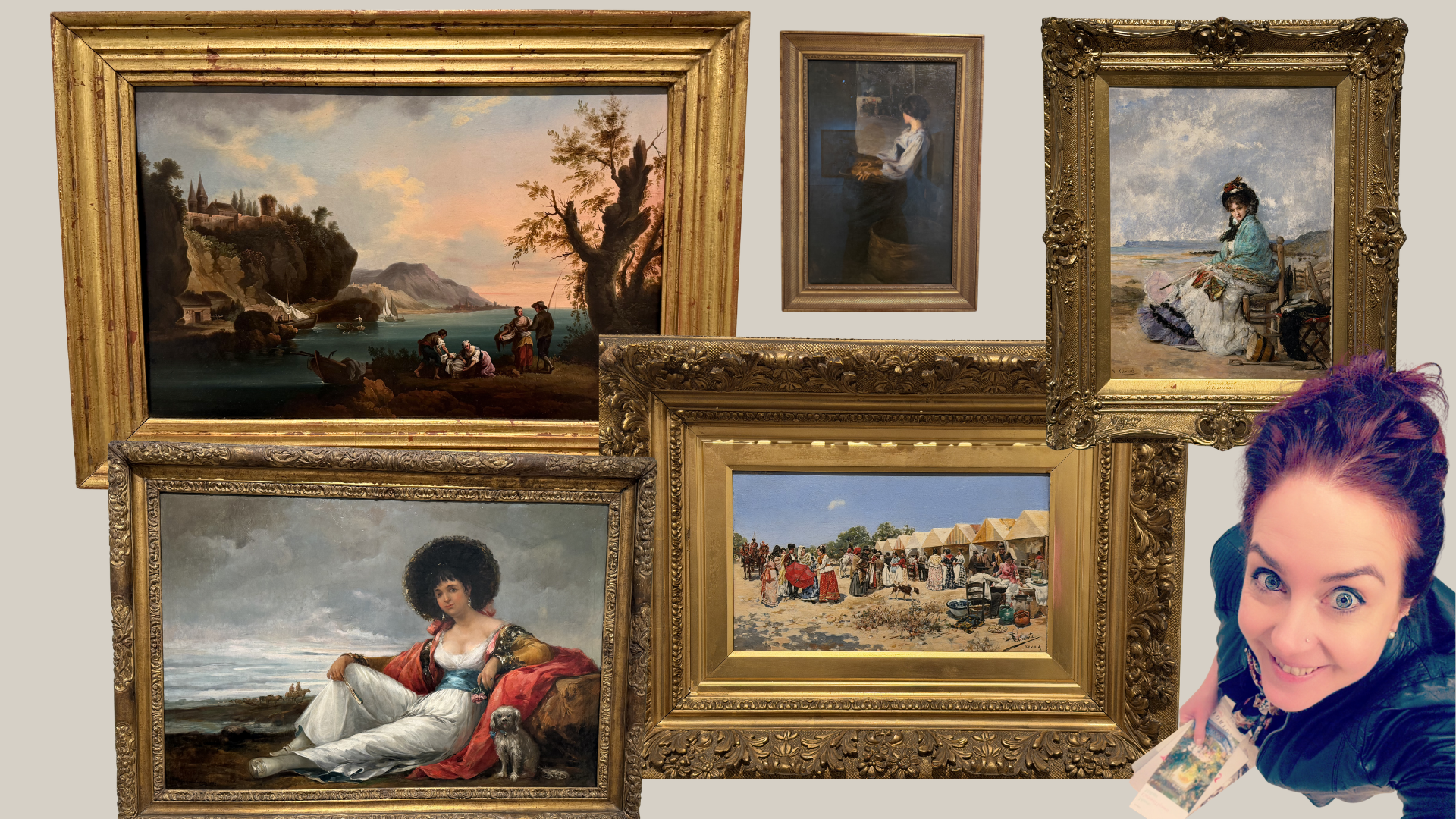
Last week I found myself in the South of Spain - Málaga. It was a beautiful short trip that also brought me to a museum of Carmen Thyssen Málaga. Walking through this spectacular building felt less like visiting an exhibition and more like entering a suspended conversation between land, people, and memory. The rooms dedicated to Romantic landscapes and costumbrismo slowly unfolded a 19th-century Spain shaped not only by geography, but by emotion, imagination, and everyday ritual. What struck me most was how seamlessly the grand and the ordinary coexist in these works - how vast horizons and intimate gestures belong to the same visual language.
The Romantic landscapes do not simply depict places; they seem to breathe. I could feel it in my body. Mountains, valleys, rivers, and skies are rendered with a sensitivity that turns nature into a mirror of inner states. Light and shadow are never neutral here — they carry mood, longing, and a sense of reverence. These are landscapes filtered through feeling, shaped by a Romantic desire to experience nature as something sublime, something capable of overwhelming and humbling the human presence within it. Standing before them, I felt invited not just to look, but to linger, to inhabit the silence and expansiveness they propose.
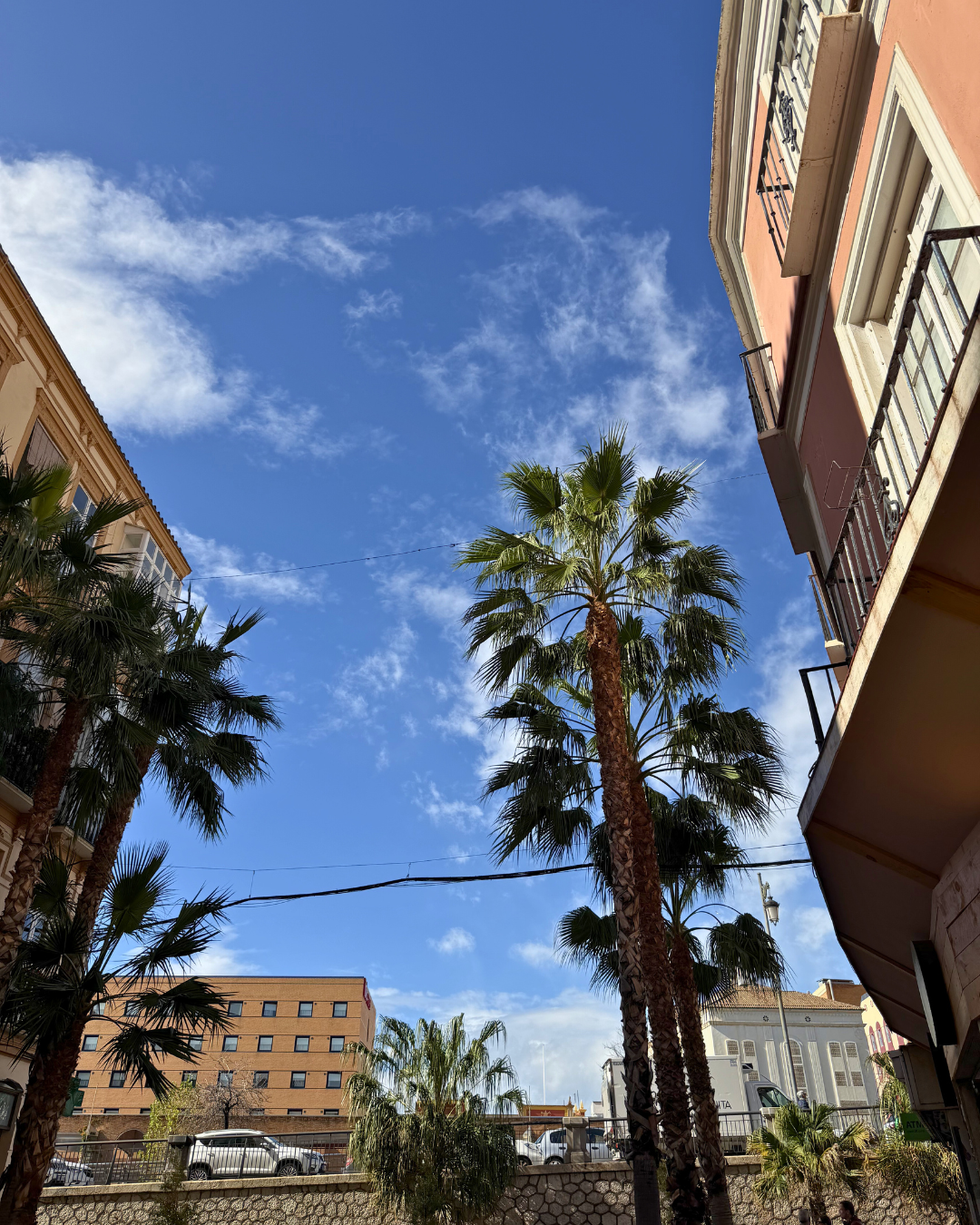
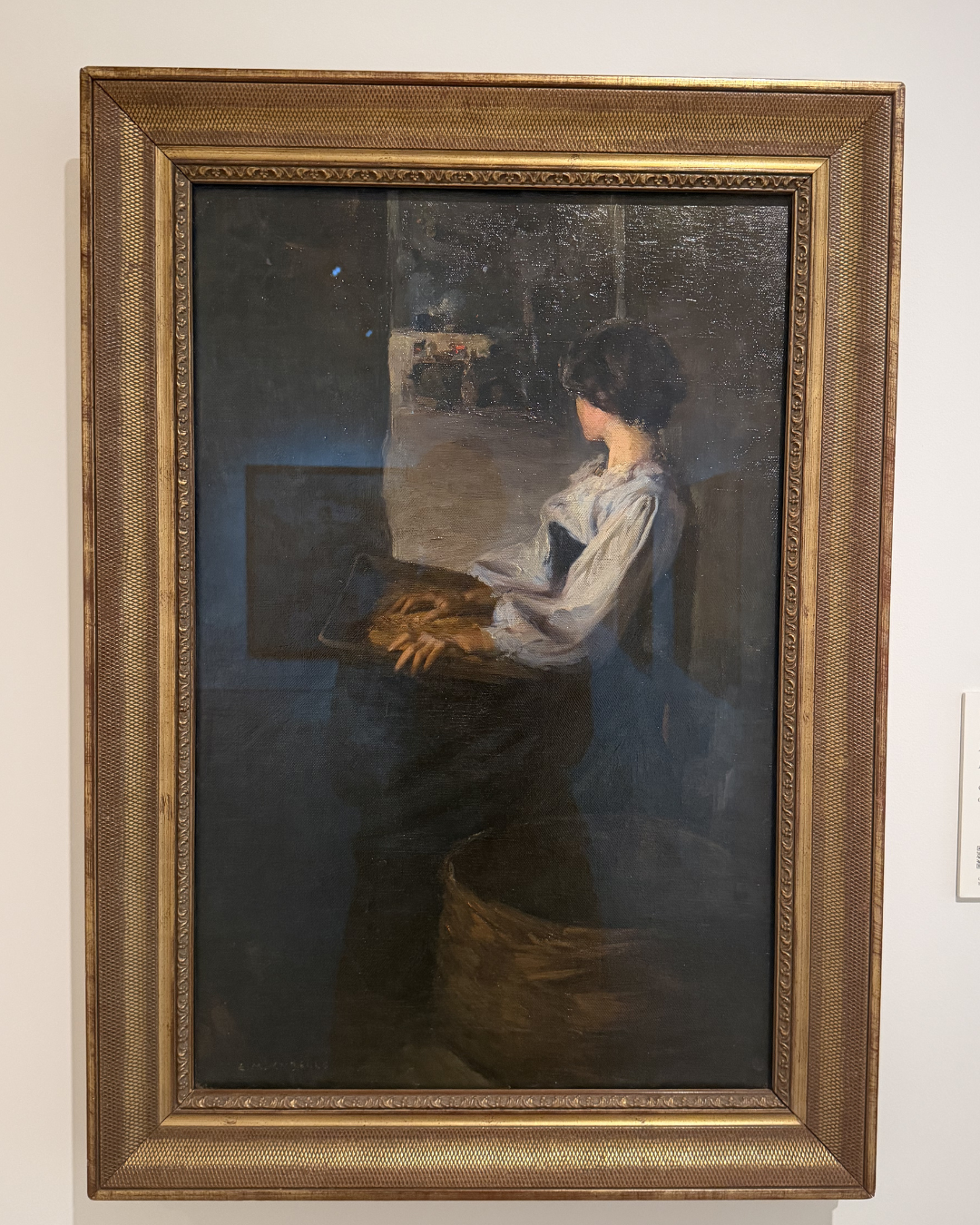
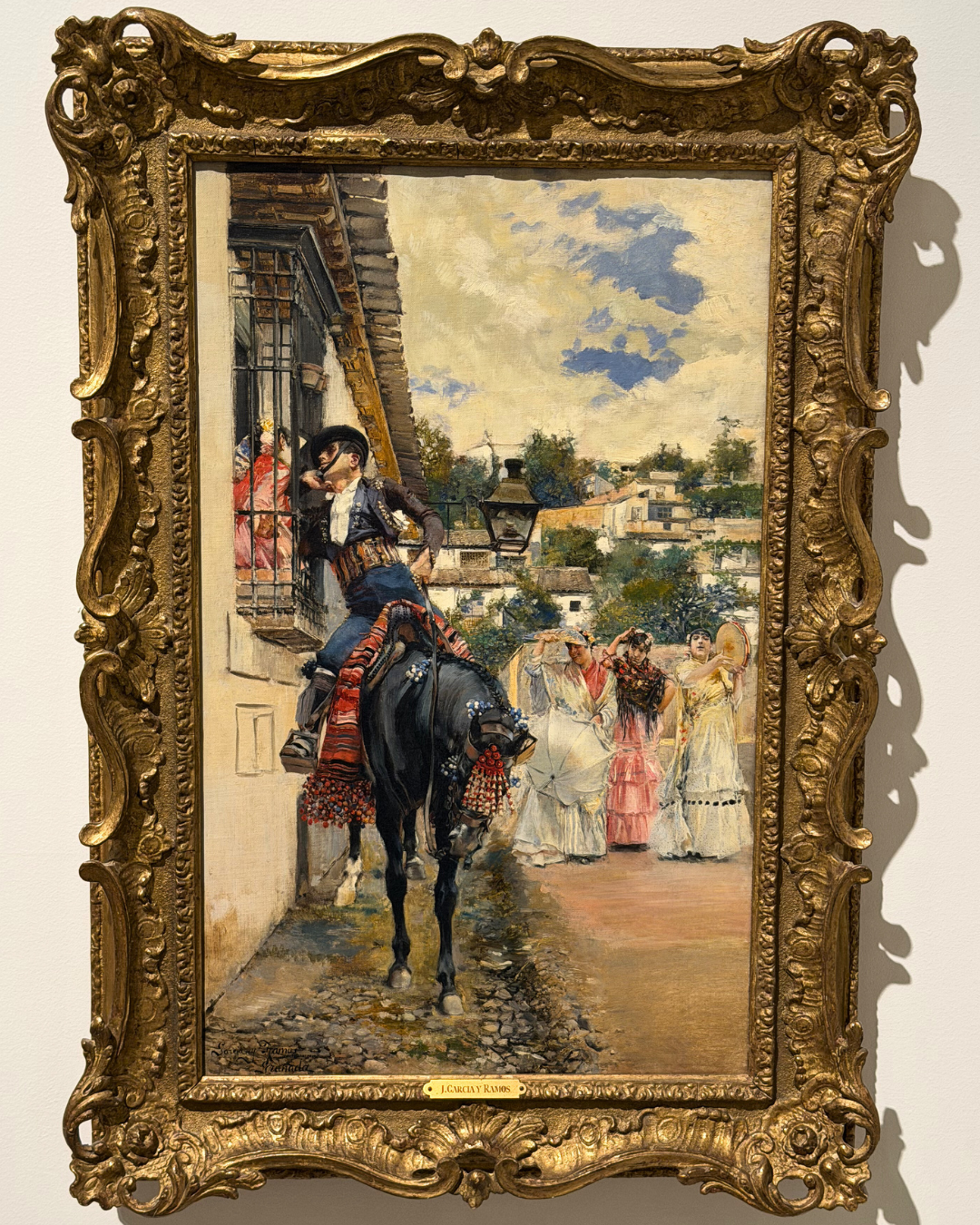
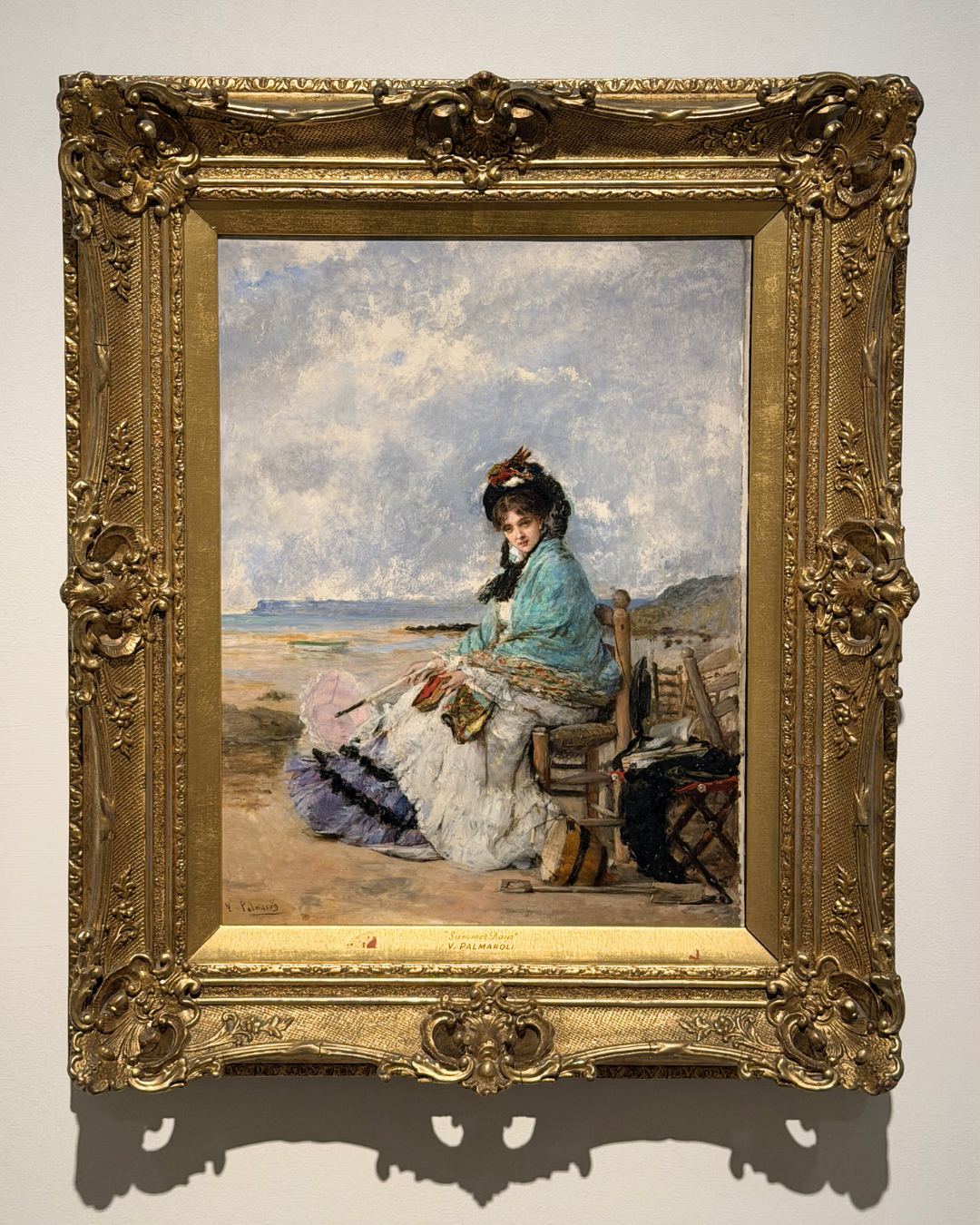
Almost imperceptibly, the gaze shifts from the distant horizon to the closeness of daily life. Costumbrismo brings the viewer down from the mountains and into plazas, markets, fairs, and courtyards, where the pulse of Andalusian life unfolds. These scenes do not dramatise the everyday; they dignify it. There is a tenderness in the way gestures are observed, in the attention given to posture, fabric, work, leisure, and social exchange. The paintings feel like acts of careful witnessing — as if the artists understood that customs, routines, and fleeting moments are themselves carriers of history.
What makes this dialogue between Romantic landscape and costumbrismo so compelling is how it constructs a layered image of Spain - one that balances imagination with lived reality. The landscapes echo the Romantic fascination with place as myth and emotion, while the genre scenes ground that vision in social texture and human presence. Together, they resist simplification. Spain emerges neither as pure idyll nor as exotic spectacle, but as a complex, inhabited world, shaped by both longing and habit.
As I moved through the exhibition, I became increasingly aware of how these works invite a slower form of seeing. They reward attention. They ask us to notice how light falls on stone, how bodies gather in shared spaces, how nature and culture continuously shape one another. There is no urgency here, only an insistence on presence. In that sense, the exhibition feels deeply contemporary - reminding us that to truly see a place, we must attend both to its landscapes and to the quiet rituals of those who move through them.
Leaving the museum, I carried with me a softened sense of time. The paintings lingered not as historical documents, but as emotional landscapes in their own right - offering a gentle reminder that beauty often resides in the interplay between the vast and the familiar, between what we dream of and what we live every day.