The Geography of Belonging
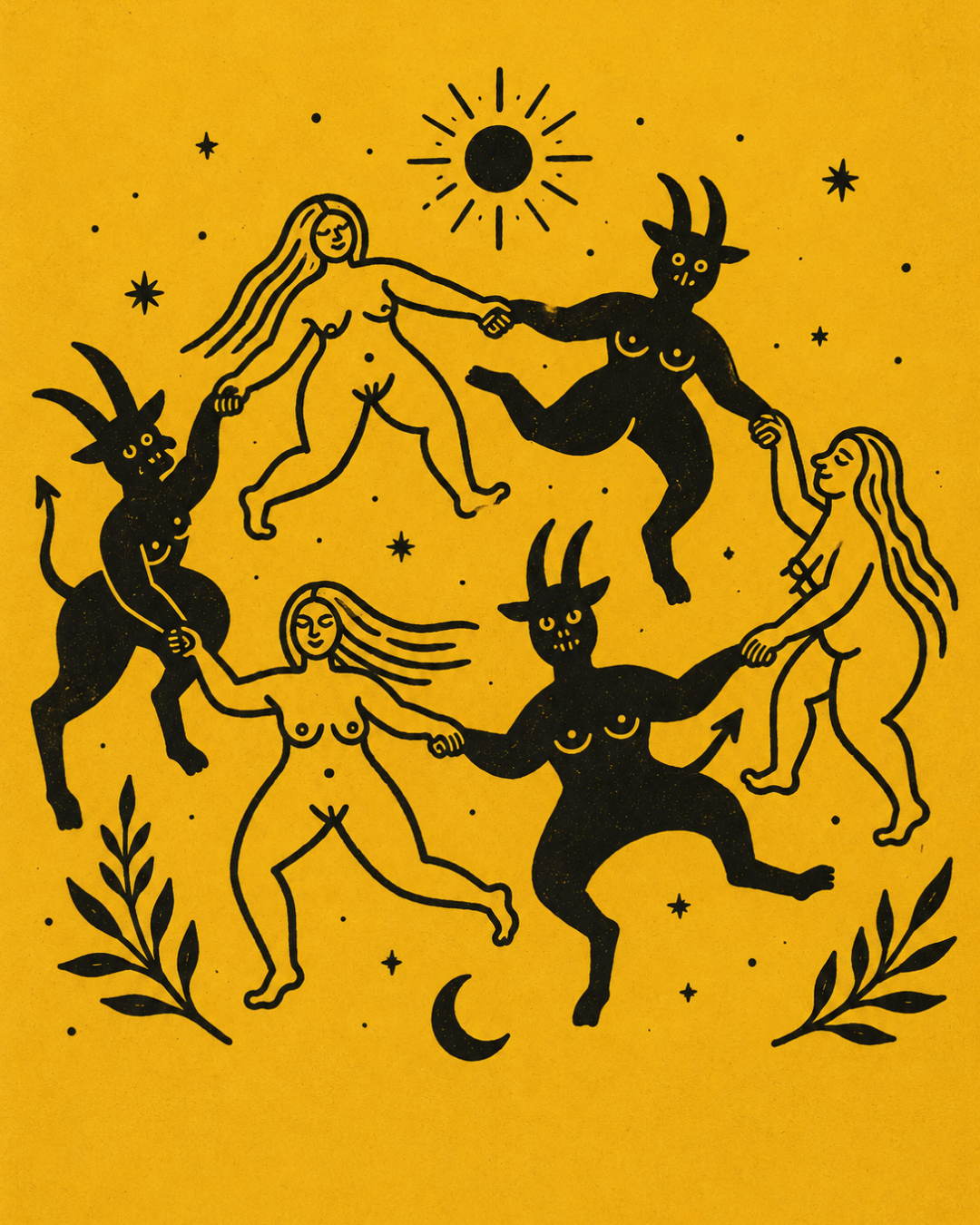
There is a particular kind of loneliness. Loneliness that settles quietly. Between languages. Between time zones. Between the version of yourself that stayed behind and the one still trying to arrive. Migration is often spoken about through geography. Countries. Borders. Documents. Flights. New addresses. But the longest journey has very little to do with distance. It happens beneath the skin.
It is the slow negotiation between who you have been and who the world expects you to become. As women, perhaps we learn this negotiation long before we ever leave home. We are taught to adapt. To notice the room before entering it. To read what remains unspoken. To make ourselves understandable. Acceptable. Safe. We learn to translate ourselves in countless invisible ways. Code switching. Migration simply asks us to do it all over again.
Every culture has its own rhythm. Its own rules about confidence, intimacy, ambition, silence, humor, love. Suddenly even ordinary things become conscious decisions. How loudly should you laugh? How directly should you speak? How much of yourself can you reveal before becoming too much - or not enough? For a while, belonging can begin to feel like performance - you collect fragments of different cultures until you no longer know which ones are truly yours. You become fluent in adaptation, yet sometimes strangely unfamiliar to yourself.
People often imagine that homesickness is missing a place. Sometimes it is missing the version of yourself that existed effortlessly there. The person who never had to explain their humor. Their accent. Their references. Their way of loving. Their grief. And yet...
There is another side to migration that receives far less attention. It gently dismantles certainty. When nothing around you feels permanent, you begin asking deeper questions. If I am no longer defined by my country... Who am I? If I cannot rely on familiarity... What feels like home? If belonging is no longer guaranteed... How do I create it? Perhaps this is where something unexpected begins.

Because belonging may have never been a location. Perhaps it is a relationship. Not only with other people, but with ourselves. There comes a quiet moment when you stop asking whether the city accepts you and begin asking whether you have accepted yourself. The shift is subtle. You stop searching for people who validate your existence and begin noticing the places where your nervous system exhales. A familiar café. The tree that somehow recognises you every morning. The language that still lives in your dreams. The friend who never asks you to become smaller. The sea. The notebook. The ritual of making tea exactly the way your grandmother did. Belonging begins collecting itself through small acts of remembrance.
As women, I think we often underestimate how much of ourselves we have learned to leave behind simply to fit in. Migration has a strange way of exposing this. When every external identity is questioned, we are eventually invited to meet ourselves without the costumes. Not as someone's daughter. Not as someone's partner. Not as someone's employee. Not as the foreigner. Not as the successful one. Not as the woman who always knows what she is doing. Simply... A human being learning how to live honestly. There is extraordinary freedom in that.

I have met migrants who carry entire countries inside their kitchens. Who keep their childhood alive through recipes whose measurements exist only in memory. Who switch languages depending on which emotion they are trying to express. Who laugh differently with different friends. Who have learned that identity is not singular but beautifully layered. Perhaps we do not lose ourselves when we leave. Perhaps we become wider. Capable of holding multiple homes. Multiple languages. Multiple versions of love. Multiple ways of seeing the world. The longer I live abroad, the less interested I become in the question, Where are you from? I find myself wondering instead: Where do you feel most like yourself? Because those two questions are not always answered in the same place. Connection, I have realised, is not something we find once and keep forever. It is something we practise. With our bodies. With our communities. With the landscapes that witness our becoming. With the stories we choose to tell ourselves. Nature has become one of my greatest teachers in this. Trees never question whether they belong to the forest. Rivers do not apologize for changing direction. Birds migrate without believing they have betrayed the sky they left behind. Everything in nature understands that movement and belonging can exist together. Perhaps we can too. Perhaps belonging is less about finally arriving somewhere and more about arriving fully within ourselves. Because once we learn to inhabit our own lives with tenderness, curiosity, and courage, the world begins responding differently. Not because it has changed. But because we have. And maybe that is the quiet gift migration offers us. Not certainty. Not permanence. But the opportunity to build a home that cannot be taken away. A home that travels with us. One breath. One conversation. One act of courage. One moment of genuine connection at a time.