Radioactive
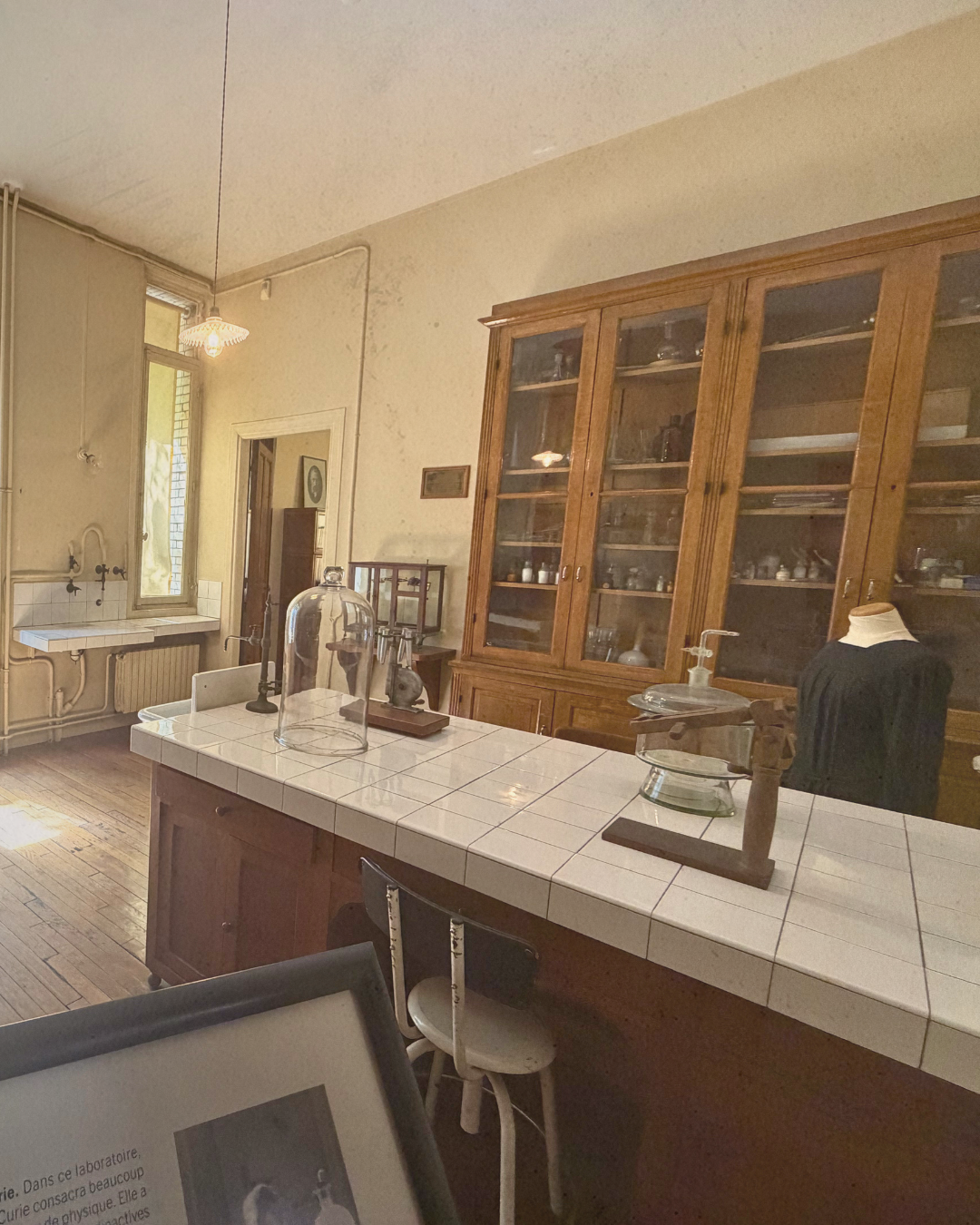
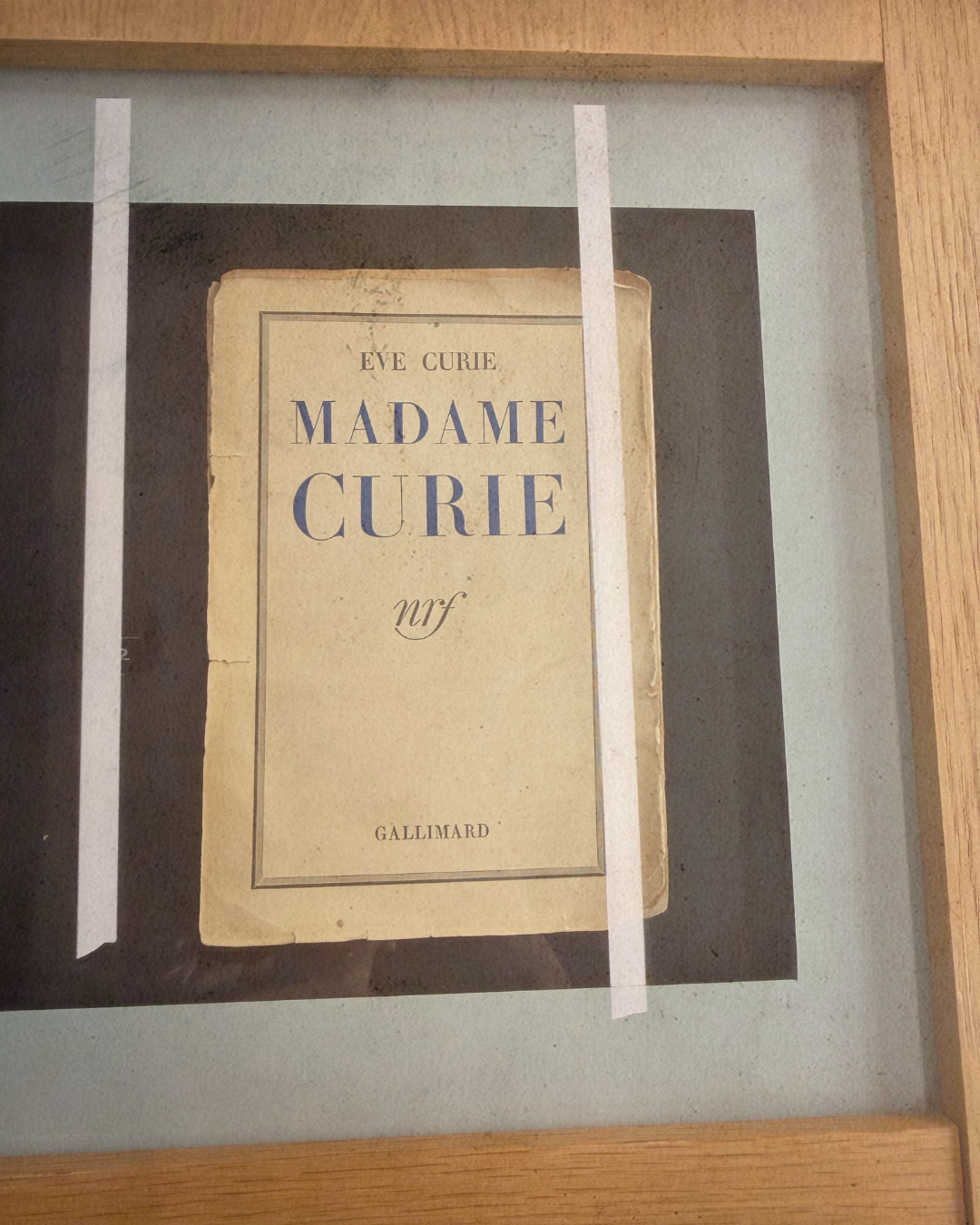
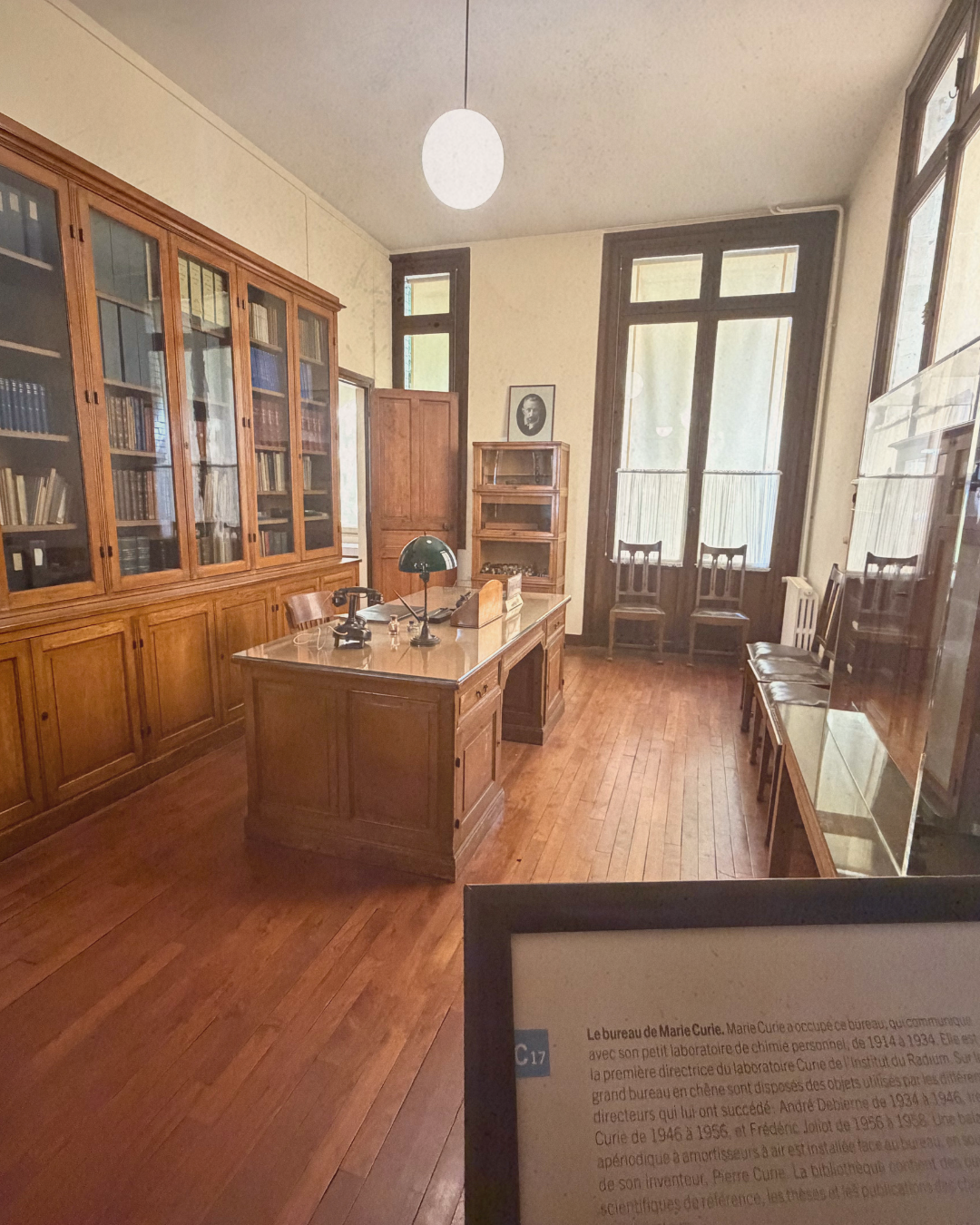
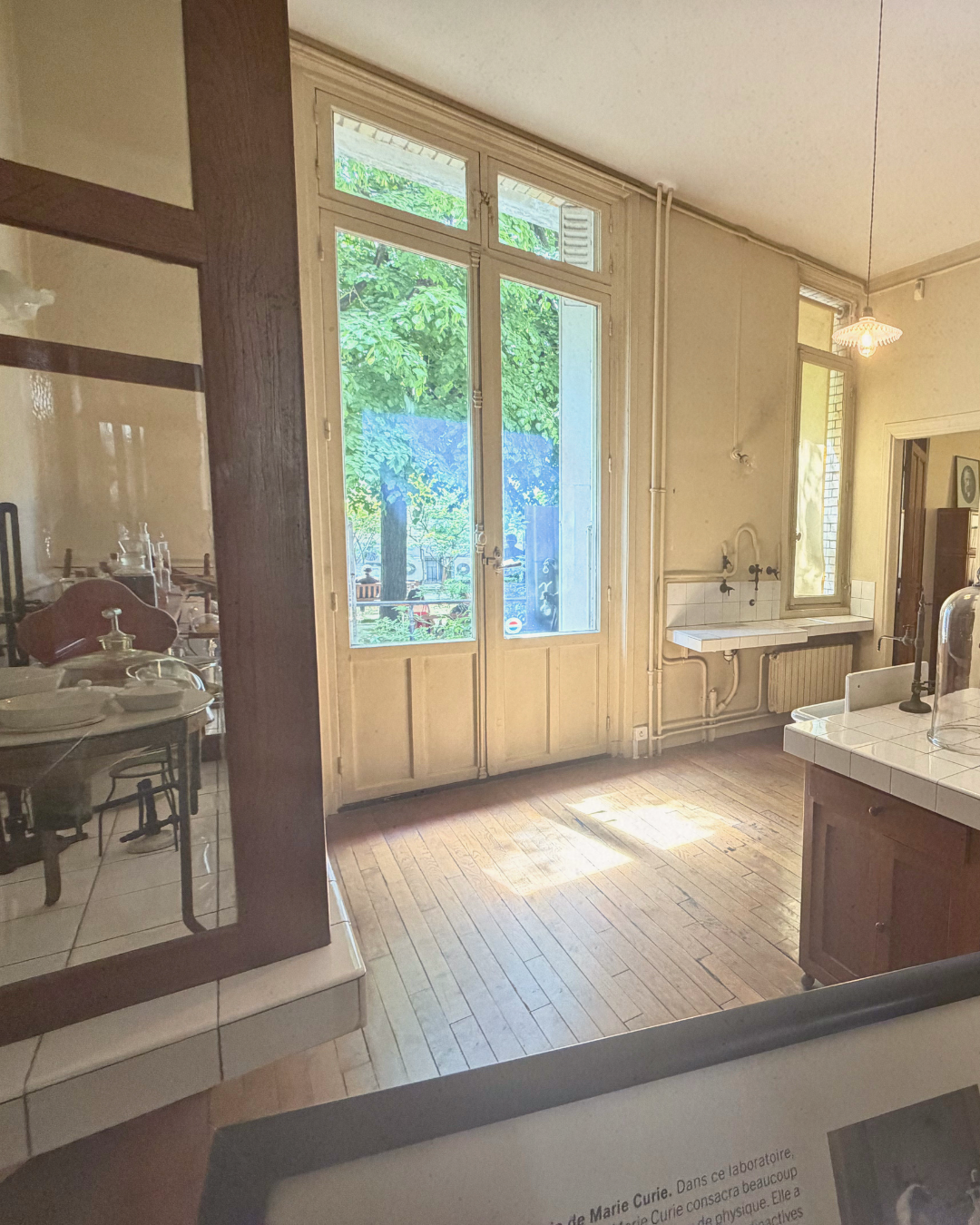
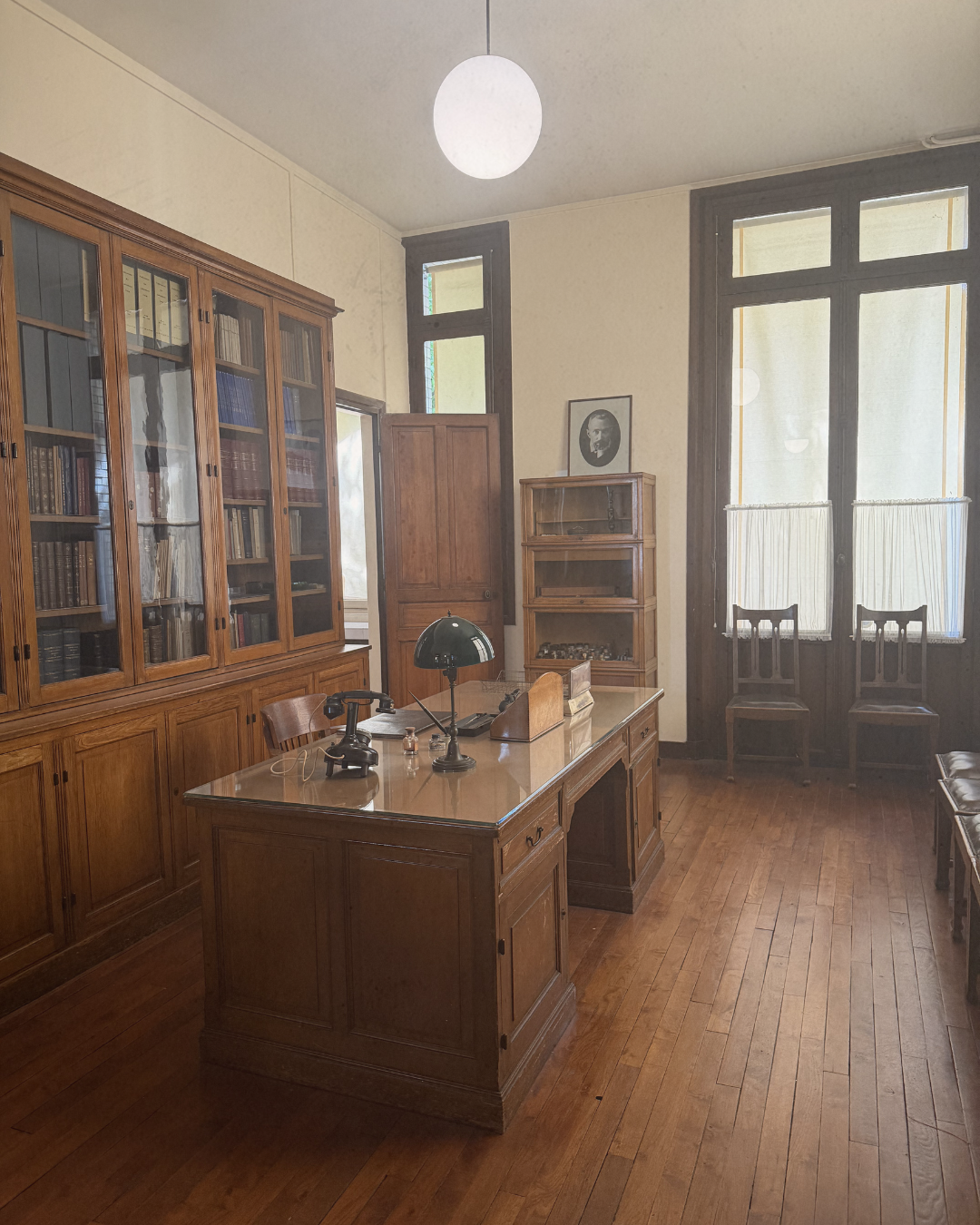
I did not expect a museum visit to feel so personal. Being in Marie Curies laboratory in Paris, I wanted to experience the history however it also got me thinking about visibility, legacy, and the invisible work women have always carried. When most people hear the word radioactive, they think of danger. They think of something powerful yet unseen. Walking through the museum, I found myself thinking about a different kind of radioactivity: the influence of women whose impact continues to travel through time, often without recognition. Marie Curie is one of the few women whose name survived history intact. The first woman to win a Nobel Prize. The first person to win two Nobel Prizes in different scientific fields. A pioneer whose discoveries transformed medicine and our understanding of the physical world.
Yet what stayed with me was not only her brilliance. It was the determination required to keep going in a world that repeatedly told her she did not belong. As a woman working across education, culture, community building, and the arts, I know that feeling in smaller ways. Not because my experiences compare to Marie Curie's, but because many women still spend a significant amount of their lives proving the value of work that is not always immediately visible. We facilitate conversations that transform people's lives but leave no monument behind. We hold communities together without our names appearing in headlines. We nurture ideas, mentor others, organise, coordinate, care, connect, create, and often disappear behind the success of the very things we helped build. This work can be difficult to measure because much of its impact lives inside people - a shift in confidence, a new possibility, a difficult conversation, a moment of belonging.
A seed planted that may not bloom for years.
Walking through the museum, I found myself wondering how many women throughout history made discoveries that were attributed to someone else. How many artists, writers, healers, educators, and scientists left traces of themselves in the world without receiving recognition for it. How many women were radioactive without anyone noticing. History tends to celebrate breakthroughs. It is less interested in the countless hours of persistence, resilience, and care that make those breakthroughs possible. Perhaps that is why Marie Curie continues to fascinate us. Not simply because she changed science, but because she changed our imagination of what a woman could be. She stepped into spaces where women were not expected to exist and refused to leave.
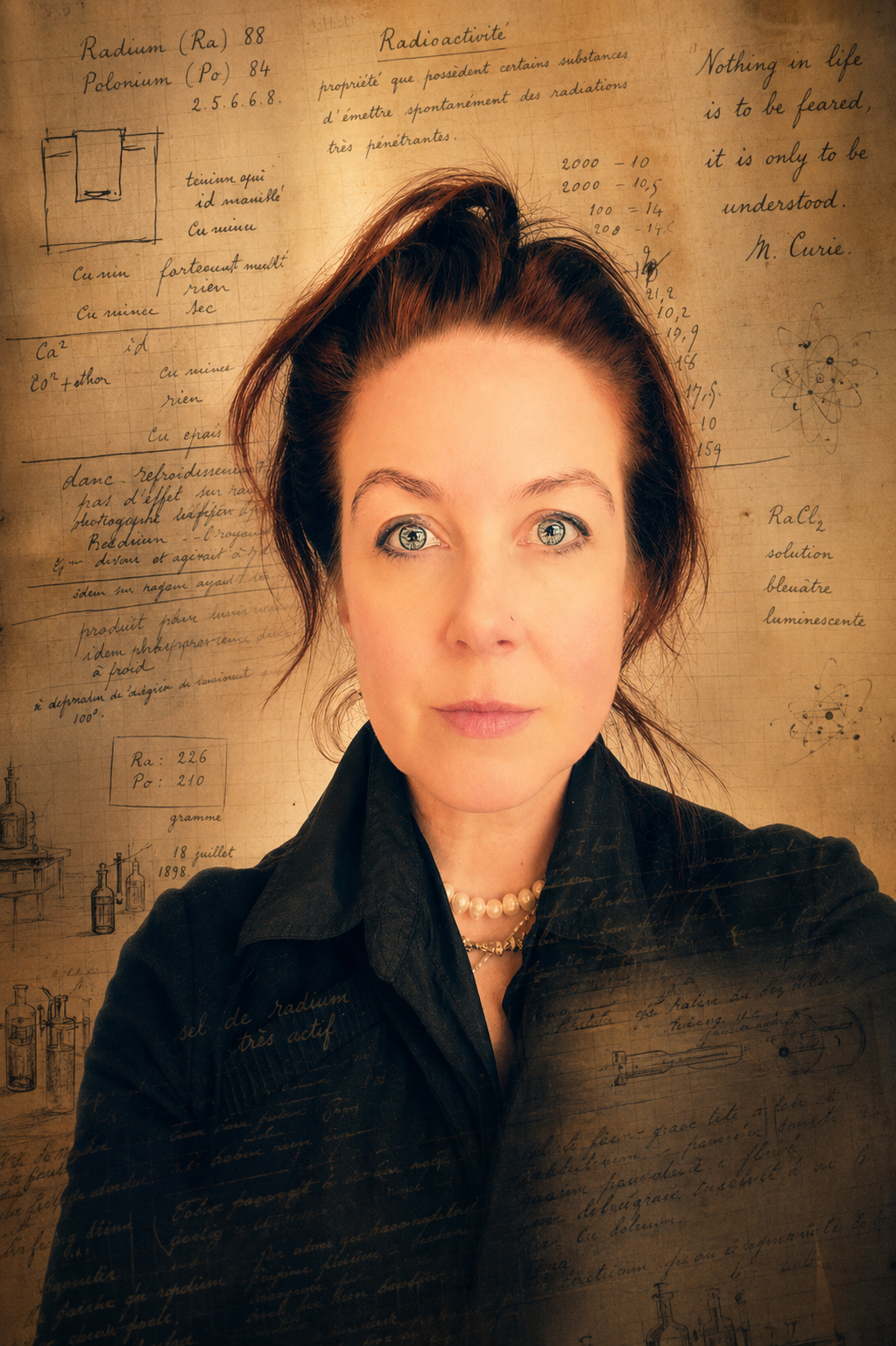
As I reflected on my own journey, I realised how much of my work has been devoted to doing the same, albeit on a different scale. Whether through educational programmes, storytelling projects, workshops, exhibitions, coaching, or community initiatives, I have often found myself creating spaces where people can see themselves reflected in new ways. Spaces where people can belong and where stories can be preserved. There is something deeply connected between science and storytelling. Both are acts of discovery. Both begin with curiosity. And both have the power to change how we understand ourselves and the world around us.
The museum reminded me that progress is rarely the work of a single individual. It is an accumulation of contributions, visible and invisible, across generations. We inherit possibilities from people we will never meet. Just as Marie Curie's work continues to shape modern medicine, countless women continue to shape our culture, communities, institutions, and futures in ways that may never be fully documented. Yet their influence remains. Radioactive.
As I left the museum, I thought about all the women whose names history remembers, and all those whose names it does not - the mothers, the teachers, the organisers, the artists, the activists, the scientists… The women quietly carrying knowledge, wisdom, creativity, and courage into the world. Perhaps legacy is not about being remembered. Perhaps legacy is about leaving something behind that continues to grow after you are gone.
Marie Curie discovered invisible forces hidden within matter. What if the most powerful force she revealed was not radiation itself, but the reminder that what cannot be seen can still change everything? Radioactive.