Little Steps: Slow Mornings in a Fast World
There was a time when mornings began more slowly - not with a notification tone, but with light. With the sky gradually changing colour. With the body arriving into wakefulness rather than being pulled into it. In modern life, especially in winter when the days are short and the air feels colder, we tend to expect ourselves to be immediately alert, responsive, and productive. Many of us reach for our phones before we’ve even fully opened our eyes. We drink coffee before we’ve had water. We step into urgency before we’ve even stood up. And then we wonder why our nervous system feels slightly on edge before the day has properly begun.
What I find grounding is this: science confirms what many of us already sense in our bodies. The way we begin our morning matters. Within the first 30 to 60 minutes after waking, our bodies naturally release a surge of cortisol - a process known as the cortisol awakening response. This isn’t “stress” in the dramatic sense. It’s a healthy biological rise that helps us become alert, mobilise energy, and align with the day ahead. Morning light strengthens this process. When daylight reaches our eyes, it signals to the brain that the day has begun and helps regulate our internal clock.
Natural light is the strongest cue for our circadian rhythm — the system that governs sleep, hormone release, metabolism, and even mood. When we expose ourselves to morning light, especially outdoors, we support better sleep later that night and more stable energy during the day. When we disrupt that rhythm — through artificial light, irregular wake times, or immediate digital stimulation — the body can become slightly misaligned.
This isn’t about personality or discipline. It’s biology.
And yet, most modern mornings move against it. We wake and immediately immerse ourselves in information — news, emails, messages. The brain shifts into processing mode within seconds. Even studies suggest that early screen exposure, particularly under blue light, can influence cortisol patterns and sleep architecture. It’s a subtle shift, but over time, subtle shifts accumulate.
Now imagine something different.
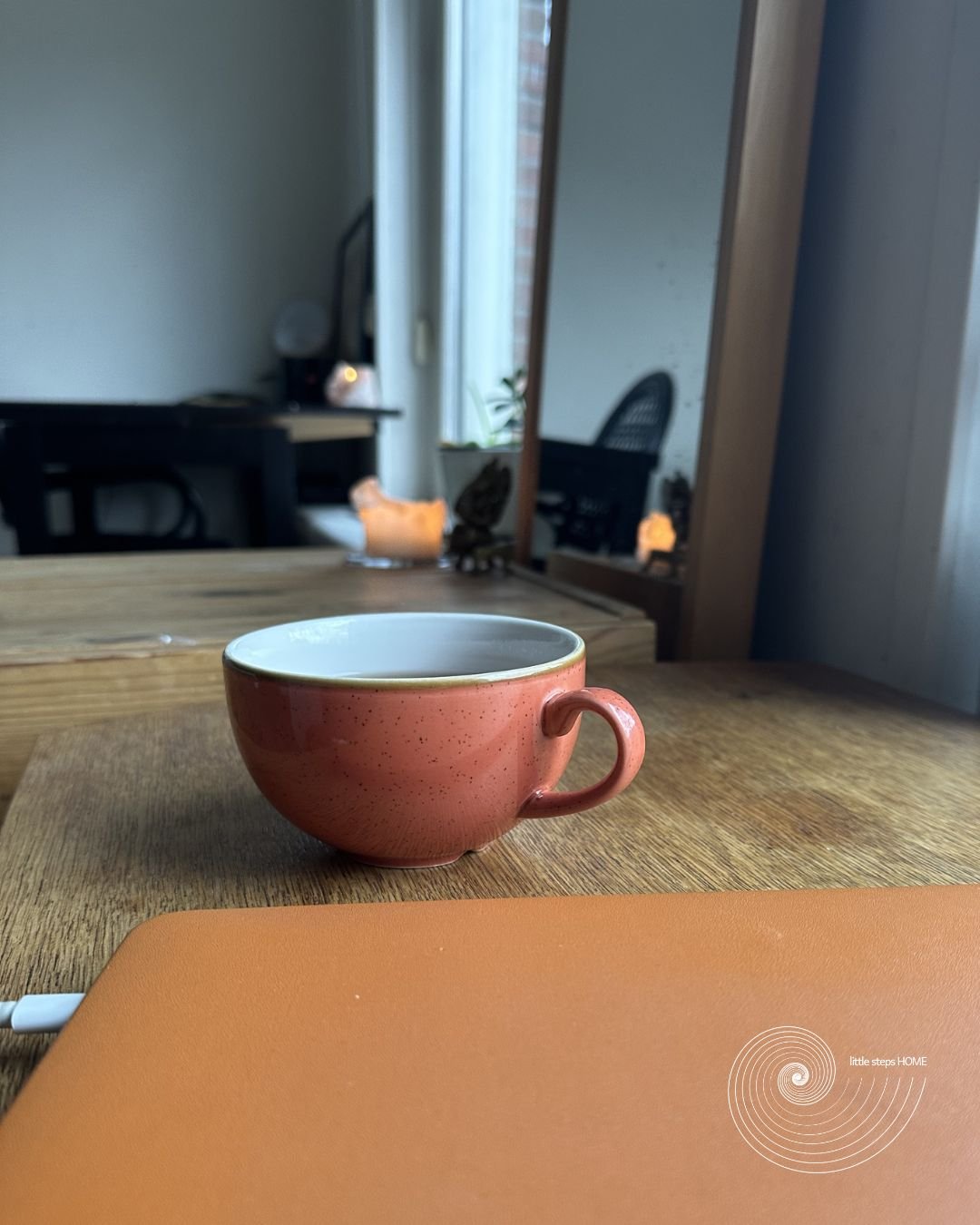
Light first. A few steady breaths before standing. The quiet ritual of making tea. Stepping outside for even five minutes. Not to optimise the day, but to orient the body gently toward it.
These small acts communicate safety. They tell the nervous system: you are not under threat. You do not need to react yet. You can arrive slowly.
A slow morning isn’t about productivity hacks or aesthetic routines. It’s about regulation. Research on routines shows that predictable, intentional patterns — even simple ones — support emotional stability and stress resilience. When mornings begin with steadiness, the nervous system tends to carry that steadiness forward.
This feels especially important in winter. With less daylight and more darkness in the early hours, our biological clocks naturally shift. Energy can feel lower. Mood can soften. This isn’t weakness; it’s seasonal adaptation. But when we layer modern expectations of constant responsiveness on top of that, tension builds quietly.
This winter, I’ve been experimenting with slowing my mornings — not perfectly, not rigidly. Just a few breaths before messages. Light before screens. Warm water or tea before coffee. Letting my body wake up before the world enters.
It doesn’t add time to my day. It simply changes the tone. No single “morning routine” will transform your life. But the first few minutes of your day can change how your body experiences the rest of it. Sometimes that first moment doesn’t need urgency. It needs light. It needs breath. It needs warmth.
And when we allow the morning to unfold with intention instead of pressure, we don’t just begin the day. We begin ourselves.
Referenced Research
Light and Circadian Regulation: Morning light exposure strongly influences the body’s internal clock, improving sleep onset and quality.
Cortisol Awakening Response (CAR): Cortisol naturally peaks shortly after waking, helping with alertness and daily rhythm alignment.
Screen/light impact: Early digital stimulation upon waking may disrupt natural cortisol rhythms and sleep architecture.
Effects of Light on Mood and Sleep: Bright morning light exposure benefits mood and sleep health through circadian regulation.
Daily Routines and Well-Being: Structured daily routines correlate with improved psychological health and stability.
Circadian and Health: Disruption of circadian rhythms is linked to mood disorders and health challenges.