Becoming Medusa

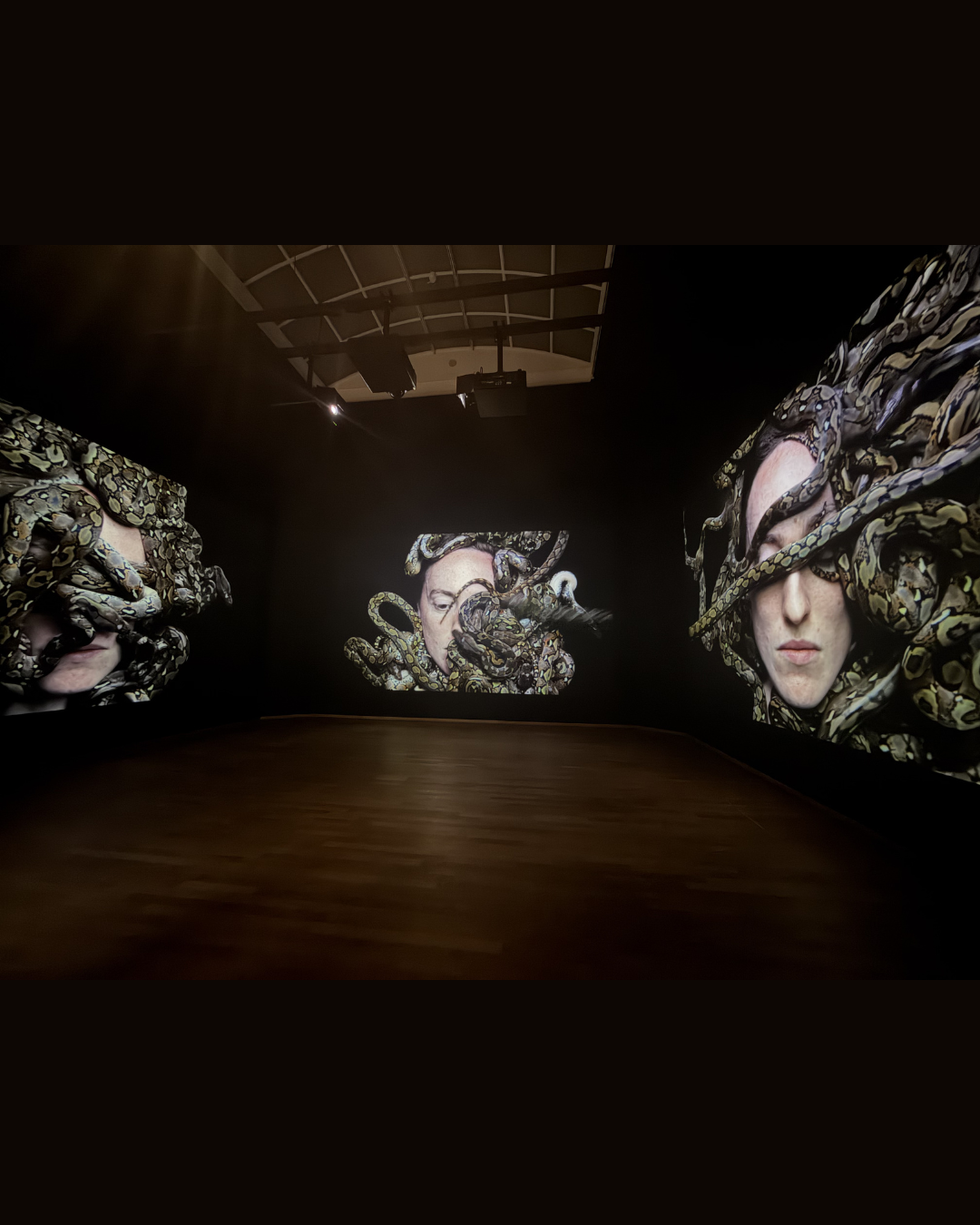
Earlier today, I wandered through the Rijksmuseum exhibition Metamorphoses, an exhibition inspired by Ovid’s ancient text that has shaped artistic imagination for nearly two thousand years. (rijksmuseum.nl) I expected mythology, symbolism, beautiful paintings, and dramatic scenes of gods and mortals suspended somewhere between violence and divinity. What I did not expect was how personal the experience would feel. I left thinking less about mythology itself and more about transformation. Or more about mythology as metaphor and not just as storytelling. It actually means to become someone else while still carrying the memory of who you once were.
Ovid’s Metamorphoses is filled with bodies changing shape under emotional pressure. Humans become rivers, stars, birds, trees, flowers, echoes, and stone. Again and again, transformation appears not as a magical reward, but as a response to grief, desire, fear, shame, longing, survival, or loss of agency. Walking through the exhibition, I realised how little these stories actually belong to the past. Their emotional architecture remains painfully contemporary.
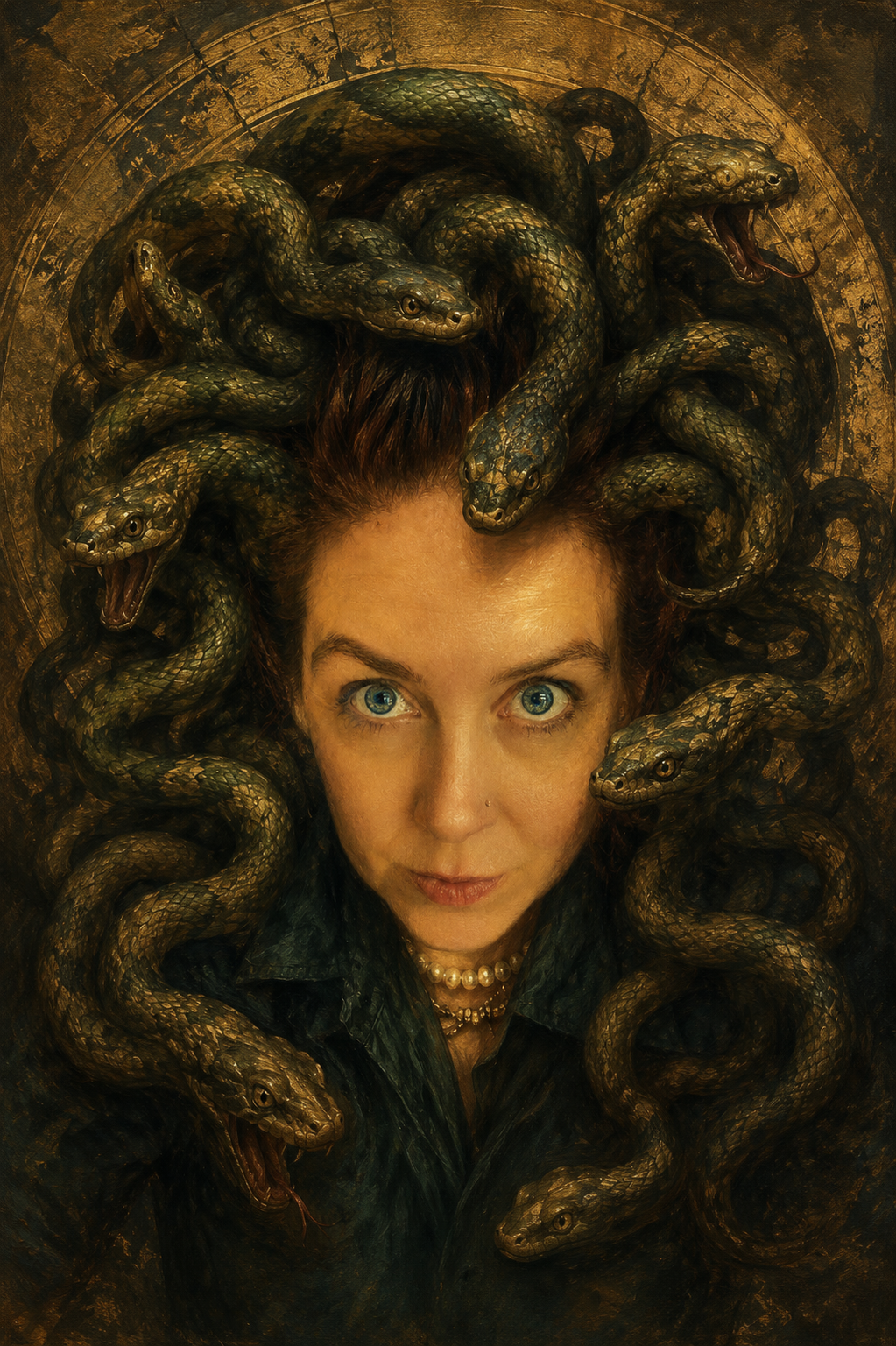
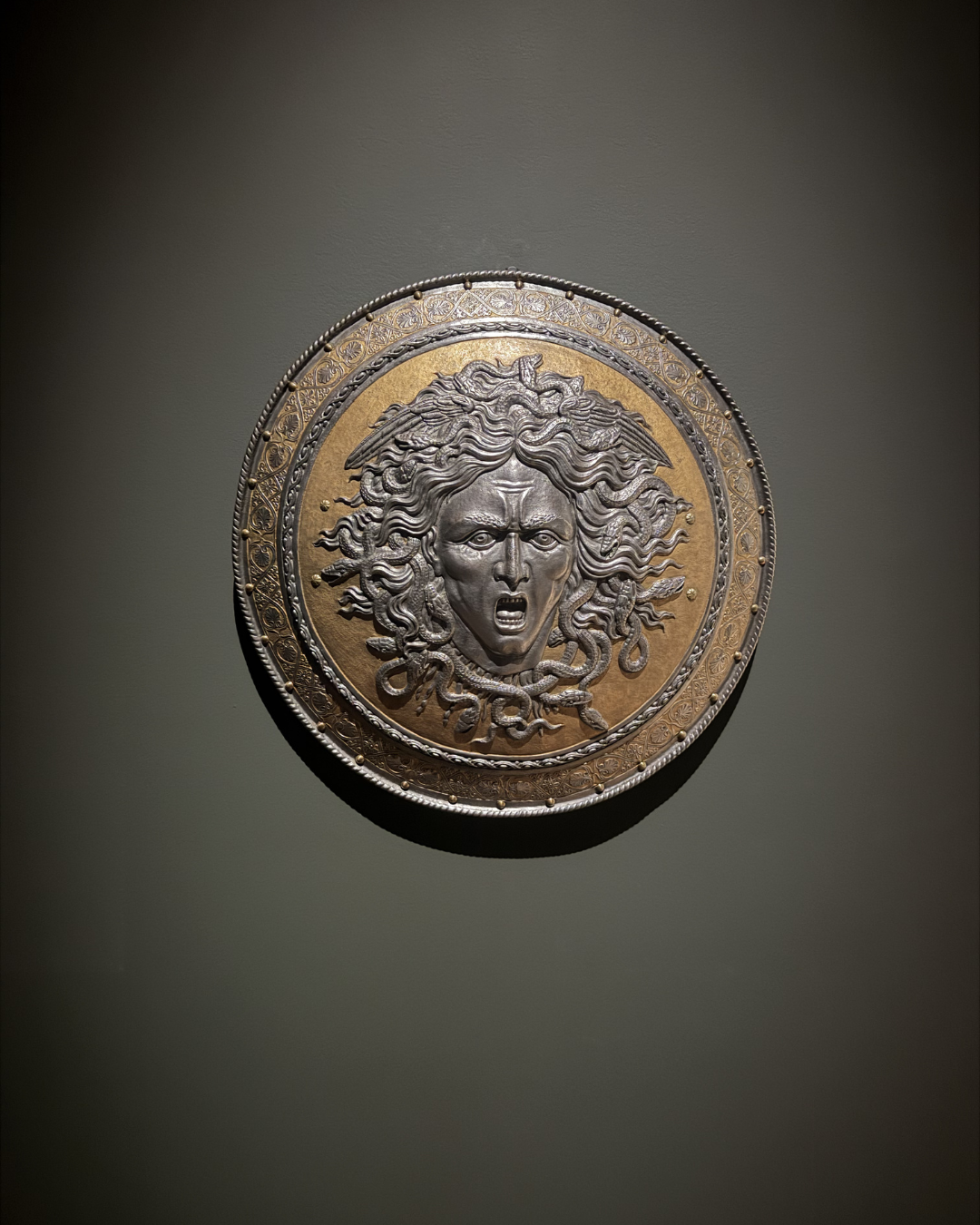
At the end of 2024, I found myself returning obsessively to one myth in particular: Medusa. Not the simplified version flattened by popular culture into a monstrous woman with snakes for hair and a gaze that kills. I became interested in the emotional terrain surrounding her story. The woman before the transformation. The silence after violence. The loneliness of becoming unrecognisable to others while still trying to recognise yourself. The more I researched Medusa, the more I encountered reinterpretations of her myth through feminist scholarship, trauma studies, archetypal psychology, and healing practices. One perspective that stayed with me deeply described Medusa not as a monster, but as a priestess transformed through violence, shame, exile, and survival. That shift in perspective changed something in me. (I remember I was on the flight to Cadiz when it happened.)
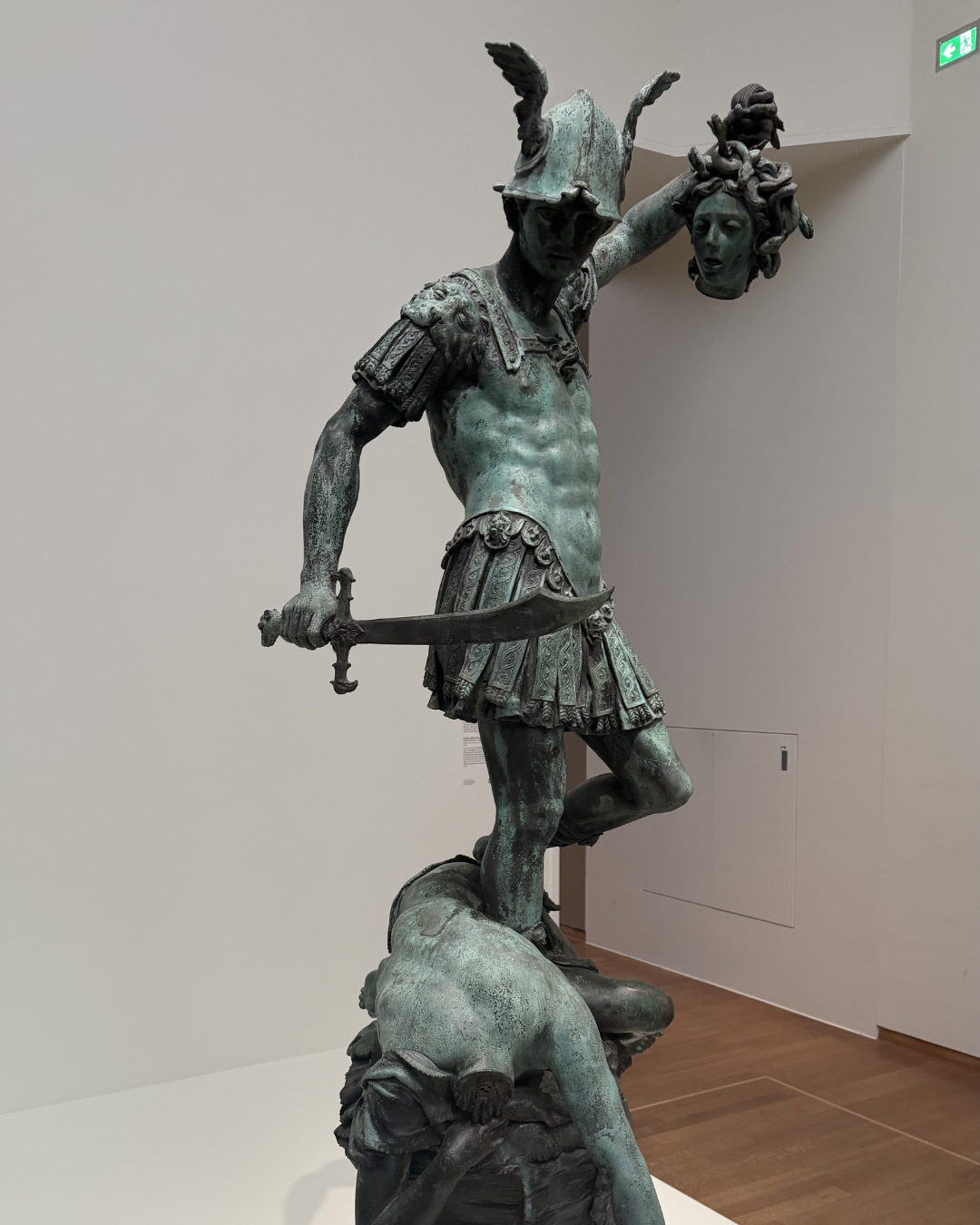
Suddenly the myth no longer felt distant or symbolic in an abstract way. It felt intimate. Uncomfortably familiar even. In many traditional retellings, Medusa is violated by Poseidon inside Athena’s temple and then punished through transformation. Over centuries, the focus of the story shifts away from the violence itself and toward the horror of her changed body. Contemporary reinterpretations increasingly question this narrative and ask what happens when we stop viewing Medusa through the eyes of Perseus and begin listening to her directly.
Who benefits from turning wounded women into monsters?
Who benefits from fearing their rage instead of understanding its origin?
The more I reflected on Medusa, the more I began seeing her as a symbol of survival and not as a symbol of destruction. The snakes themselves started transforming in meaning. They stopped representing danger and became symbols of instinct, vigilance, protection, renewal, and cyclical becoming. Snakes shed skin in order to continue living.
For a long time, I think I imagined healing as something graceful. Linear. Softly illuminated. A beautiful evolution toward becoming “better.” But real transformation rarely feels elegant while you are inside it. Sometimes it feels disorienting before it feels freeing. Sometimes survival changes you in ways that cannot be reversed. Sometimes you emerge from certain experiences carrying new sensitivities, new boundaries, new ways of seeing the world. And sometimes the world interprets that transformation as hardness, when in reality it is adaptation.
Some contemporary interpretations of Medusa even connect her myth to the embodied realities of trauma - the freezing, dissociation, hypervigilance, emotional paralysis, and isolation that can emerge after violence. Reading these interpretations while simultaneously walking through an exhibition dedicated to transformation created a strange emotional mirror for me. I started thinking about how often society romanticises rebirth while refusing to witness the pain that precedes it. We celebrate butterflies but rarely speak about dissolution. We admire resilience while remaining uncomfortable with grief. We want the transformation to look beautiful from the outside. But real metamorphosis is messy, interruptive and isolating.
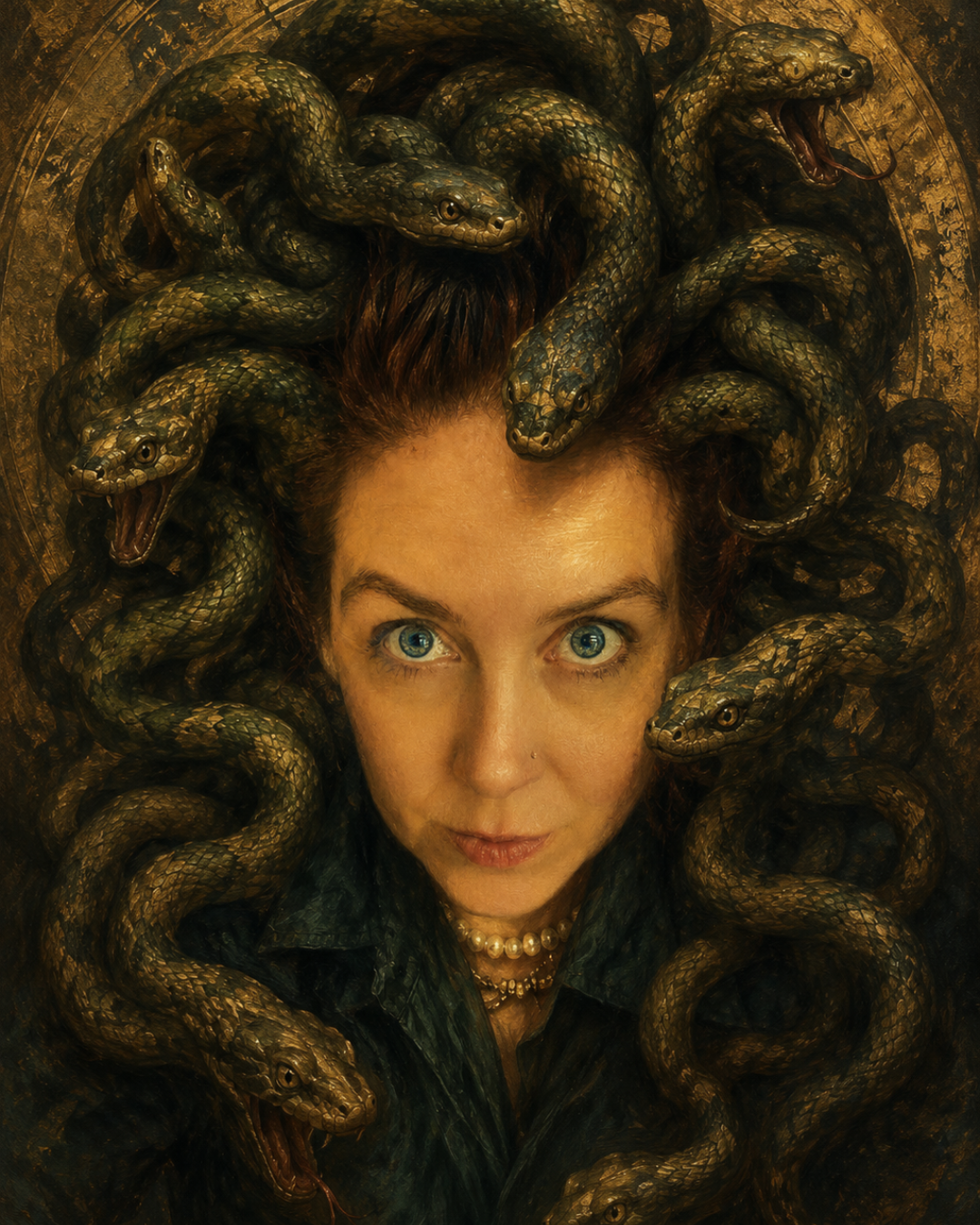
I realise that medusa’s gaze is not destructive, but it’s a gaze of a woman so scary to many - a woman who knows her power, who stands firmly in her knowing of who she is and does not have to apologise for it to anyone. My exploration of this myth is ongoing and it feels like emotional archaeology. A portrait of becoming. I am standing not as a Medusa who petrifies others, but as a Medusa who refuses to become emotionally petrified herself. And perhaps this is why myths continue surviving across centuries - providing mirrors and inviting to ask questions.
And even though I am not sure if I would give a great recommendation to this exhibition, I feel very grateful have been able to have another proof that the ancient myths continue evolving because we continue evolving. They remain alive because human beings still search for a language capable of holding suffering, beauty, grief, power, longing, and survival all at once. And I keep returning to one line associated with Ovid’s work: all things change, but nothing dies. And maybe that is what I have been learning through Medusa all along.
Not how to become untouchable.
But how to survive becoming visible?